


CBD Packaging
CBD products on the market are becoming more and more abundant such as CBD oils, edibles, creams, gummies, concentrates, vape cartridges, supplements and more. Liyantian prints a variety of different packages for different CBD products, mainly the following kinds, and others. For more information, please contact our online customer service.
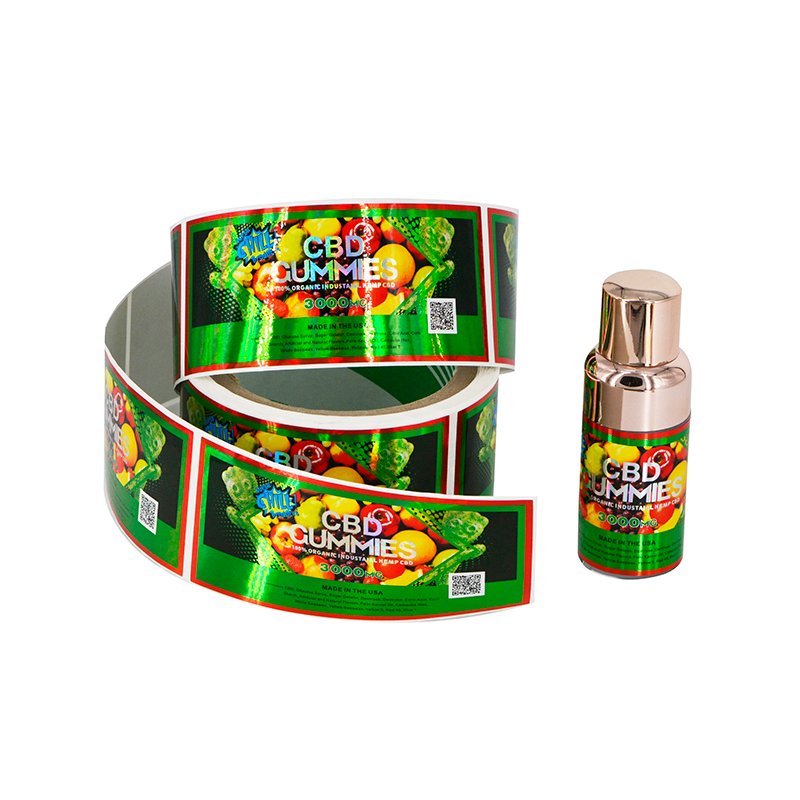
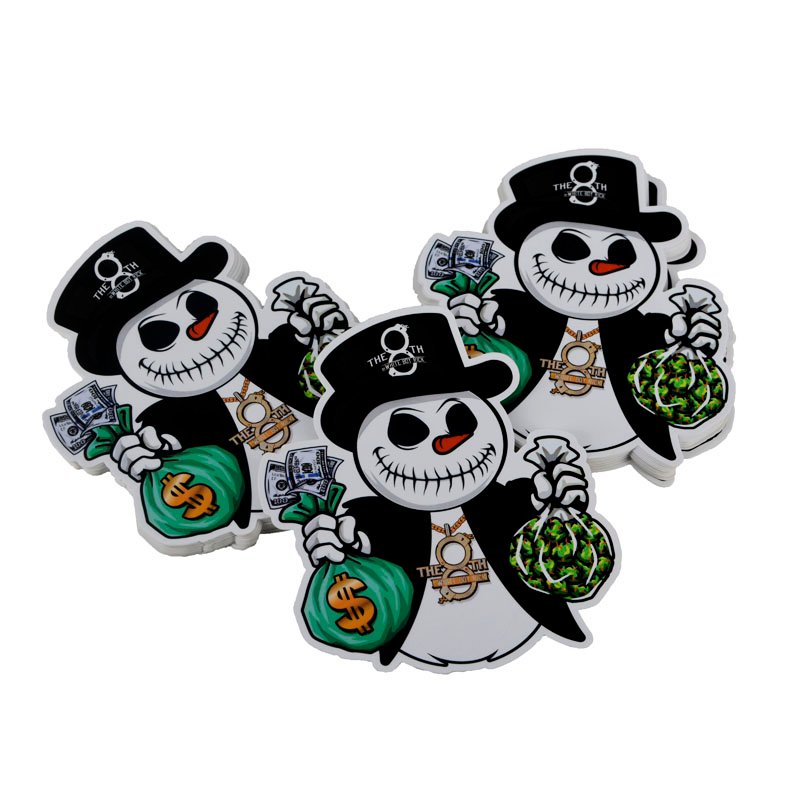
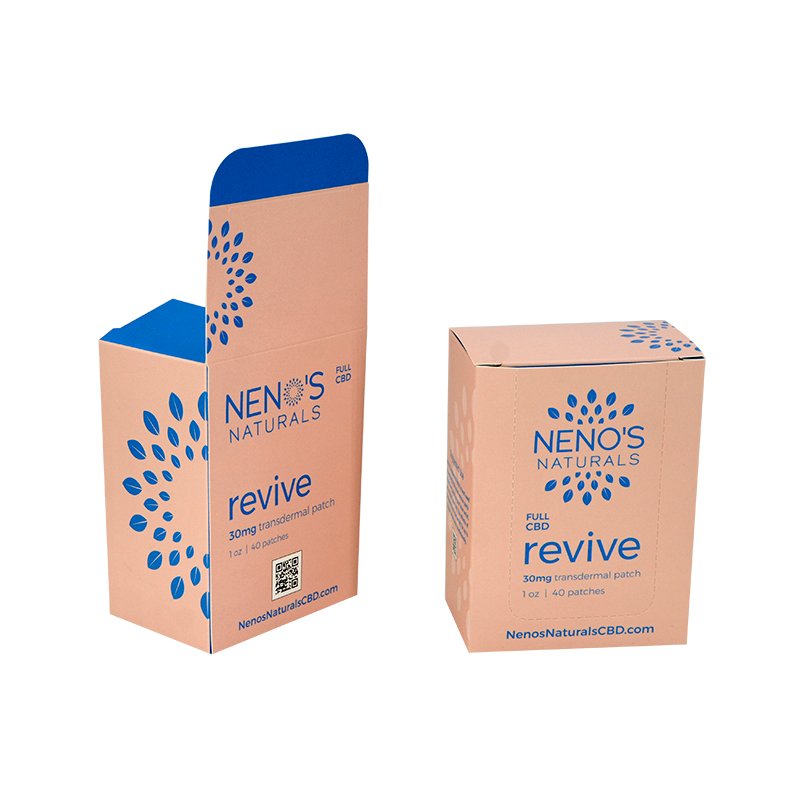
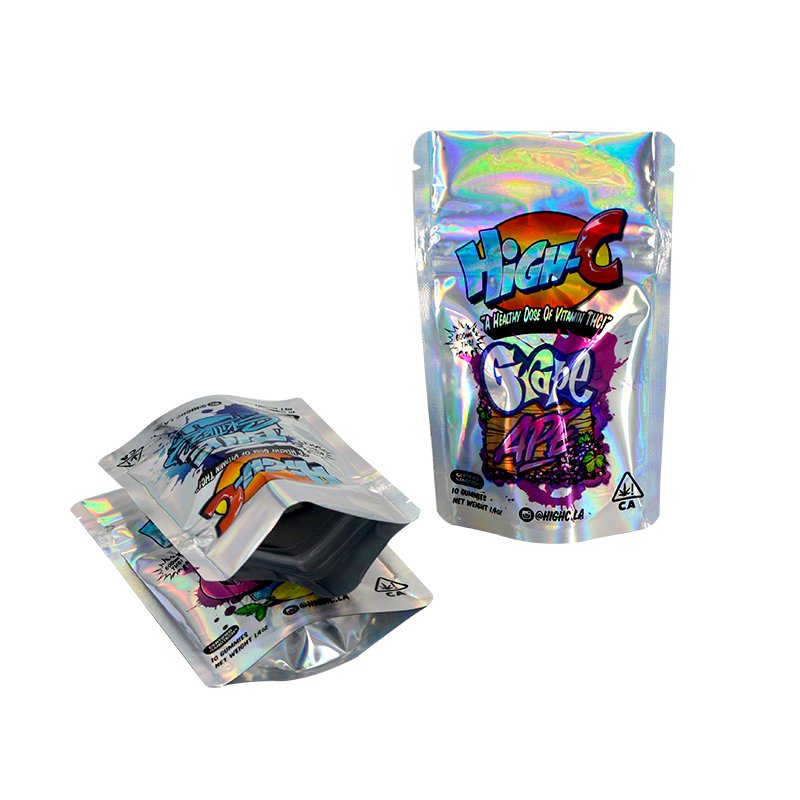
CBD Product Labels for Different Containers
Liyantian’s custom CBD labels are used in a wide range of different packages such as bottles, jars, boxes, bags, tins, cartridges, and pouches, so please design and print your own unique labels according to your needs.
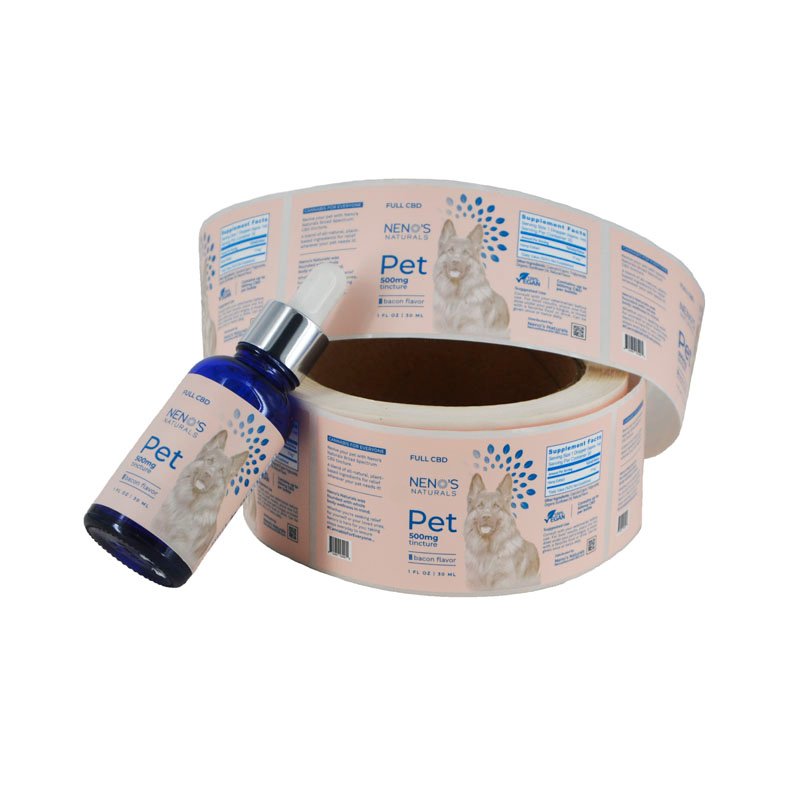
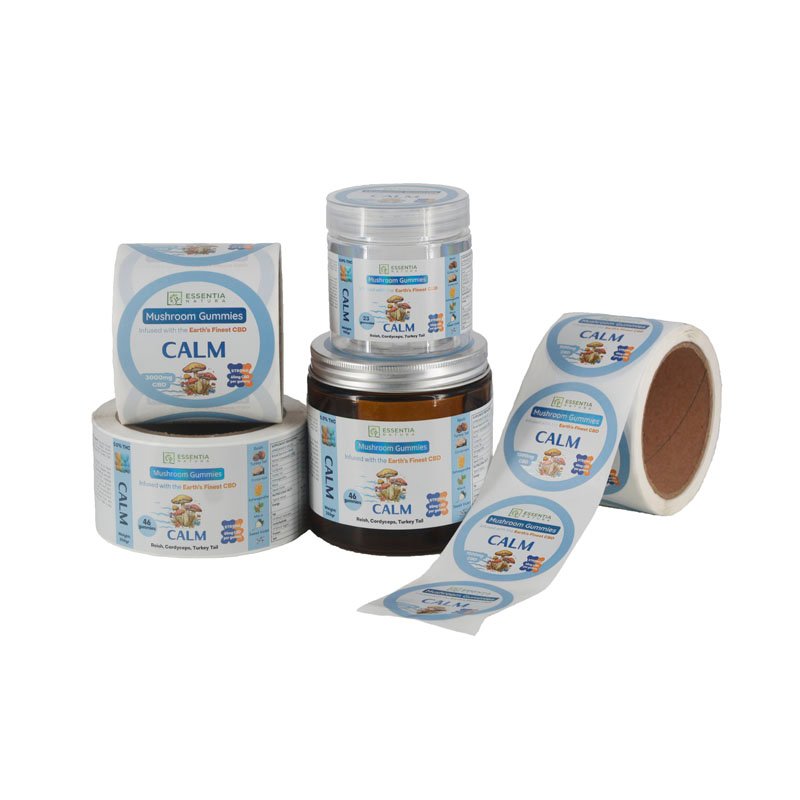
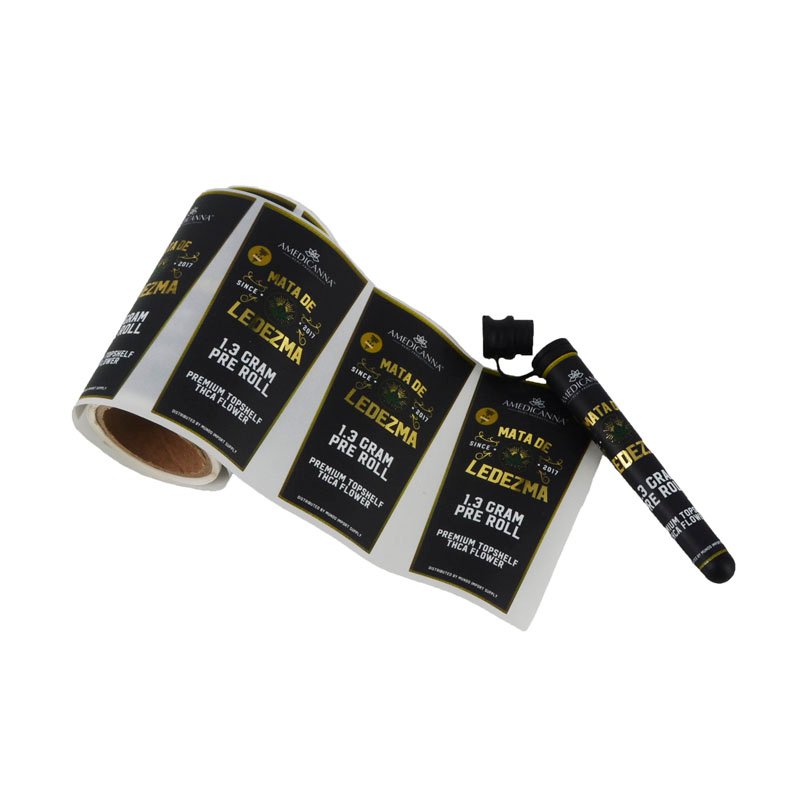
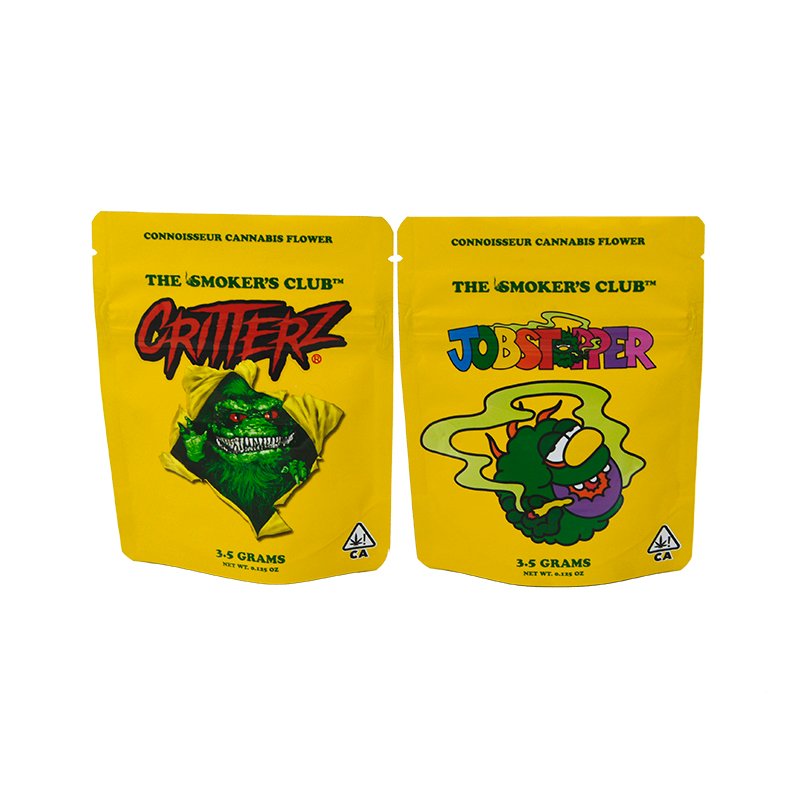
CBD Labels and Packaging
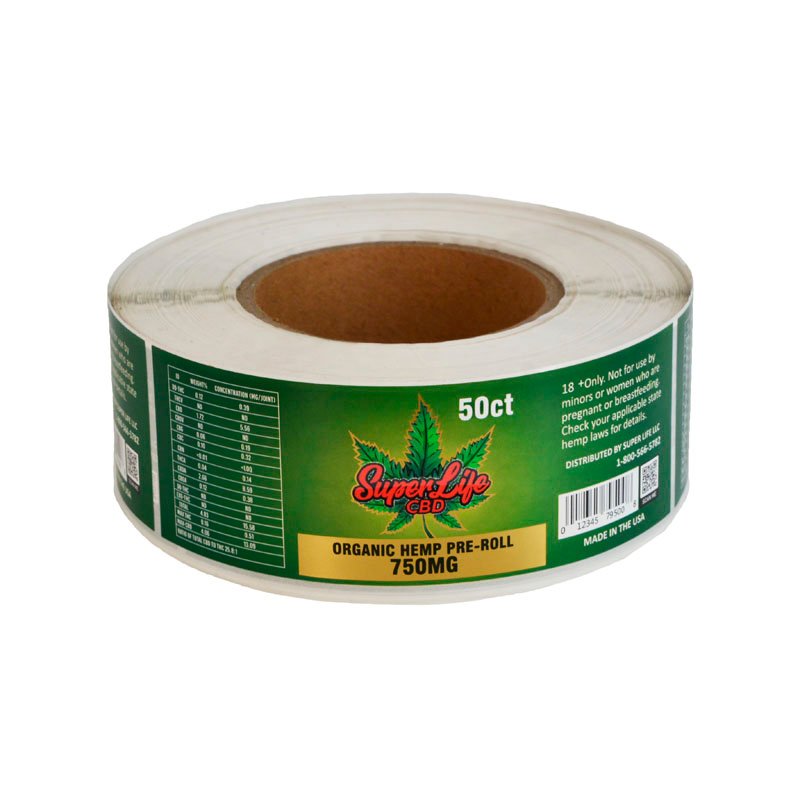
Most CBD products contain oil content, which requires CBD labels to be water and oil resistant. Liyantian chooses high quality film that not only produces high quality images, but is also waterproof, oilproof, chemical resistant, and long lasting.
Liyantian’s CBD labels are divided into several packaging forms according to product and quantity requirements, so please choose the appropriate packaging form according to your needs.
-
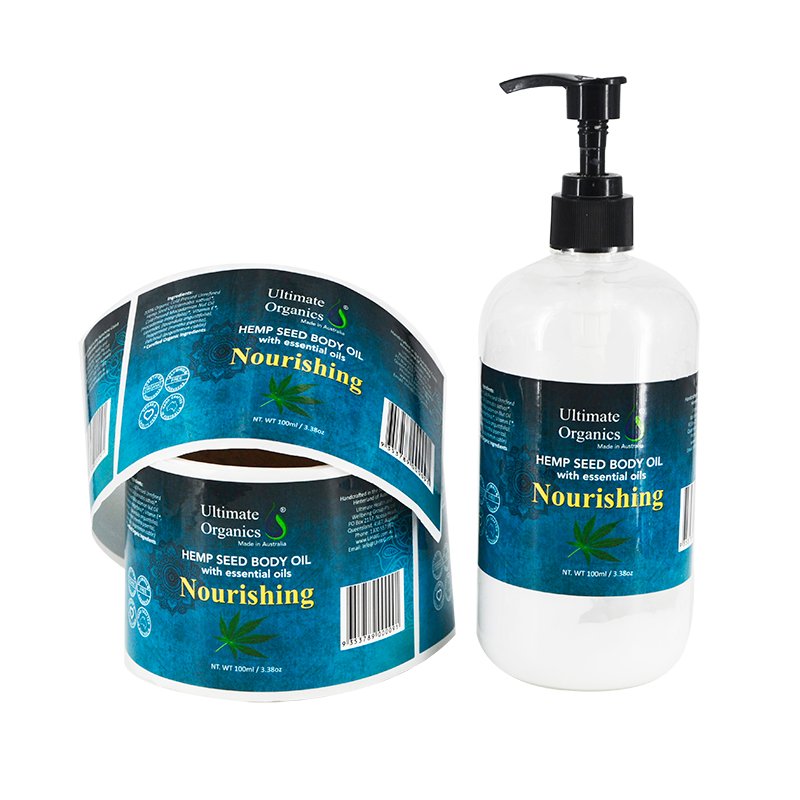
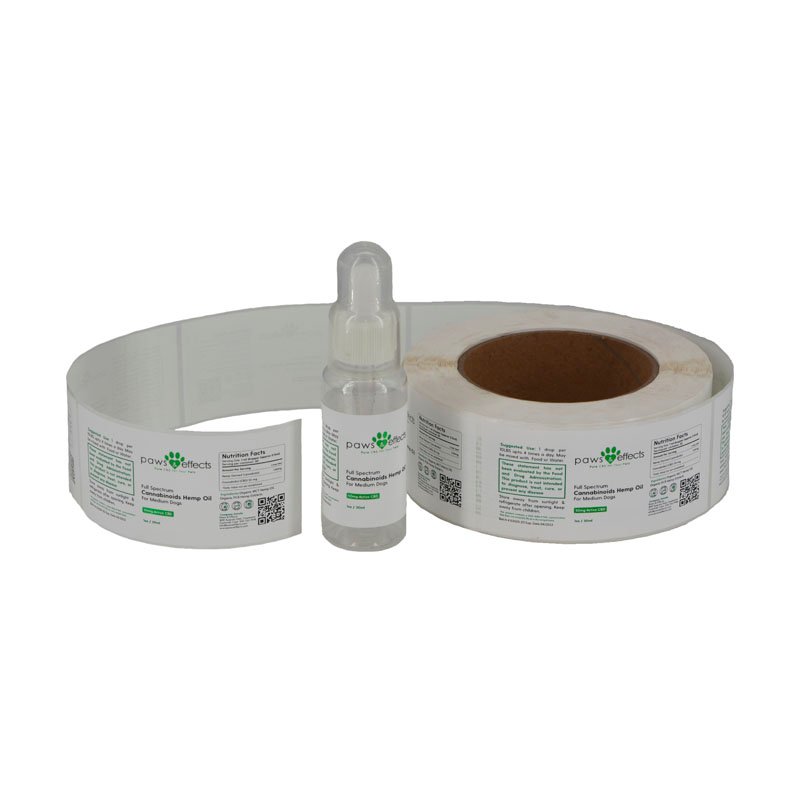 CBD Oil Labels
At least 250 pcs to be rolled, suitable for hand or machine labeling.
-
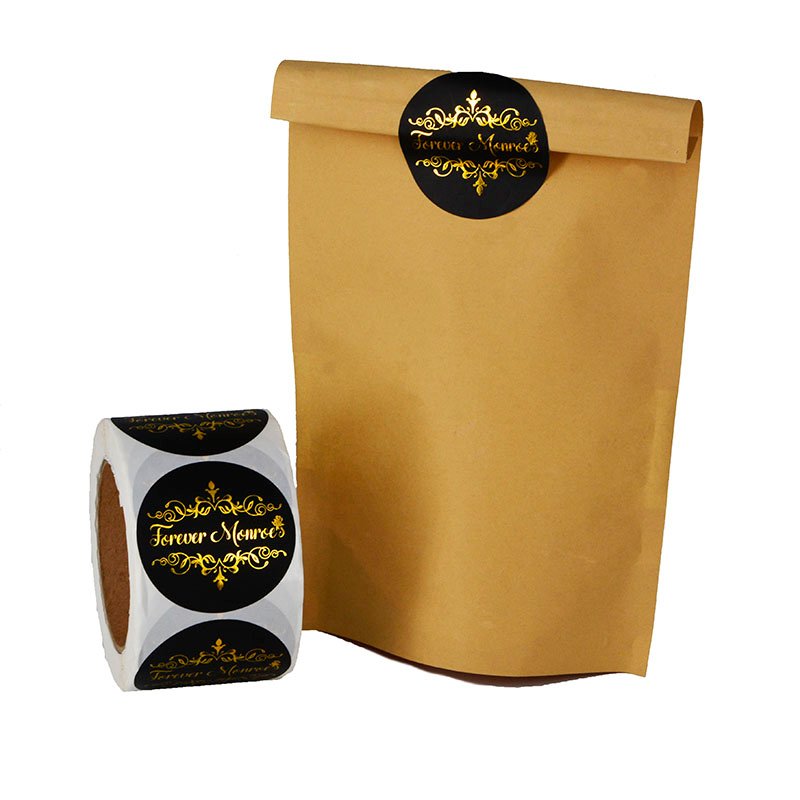
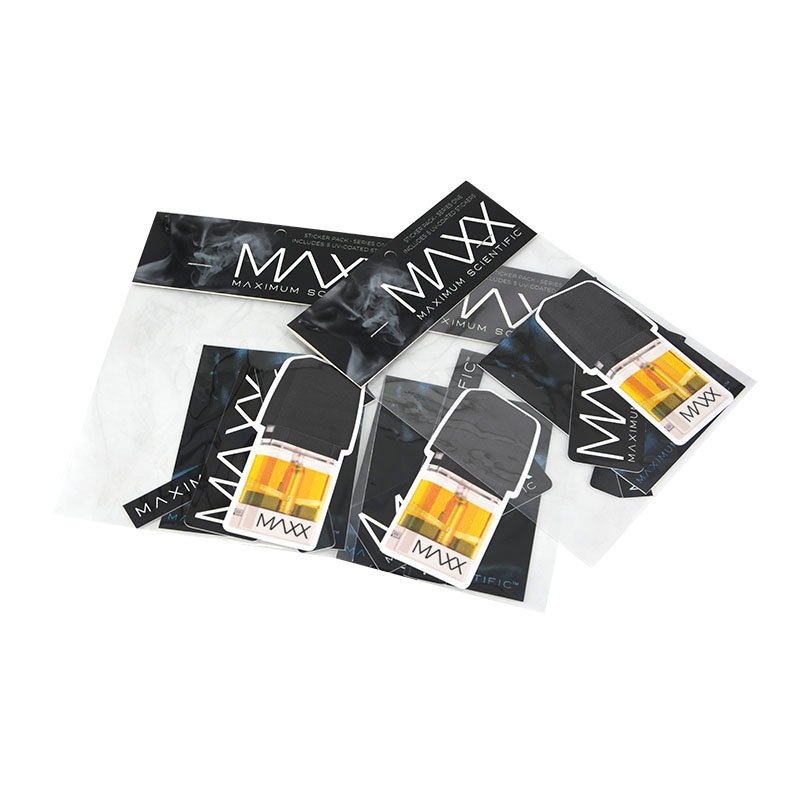 CBD Label Stickers
Suitable for small quantity hand labeling or as giveaways for CBD products.
-
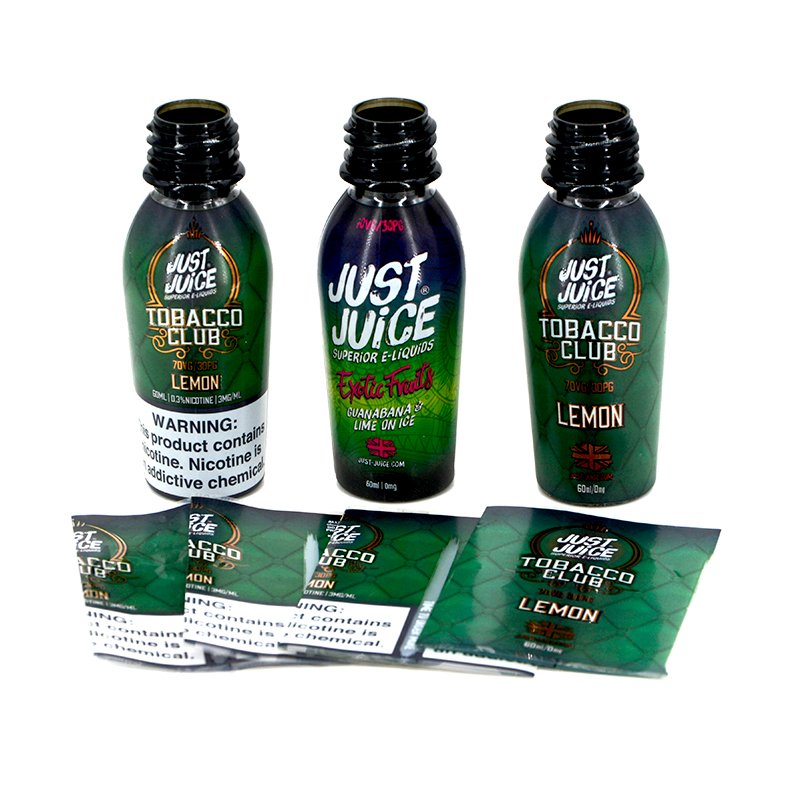
-
Why Choose Liyantian For CBD Labels Manufacturer?

A wide range of materials choose
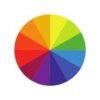
CMYK and Panton spot color are available

Any shape choose for die cut or kiss cut stickers

Small MOQ requirement for labels
Professionally Printed Premium CBD Labels
With the health benefits and legitimacy of CBD products, Liyantian help more and more brand owners to print a variety of different forms of CBD labels, for decoration, gifts, warning and promotional role, we will according to the design requirements and the size of the order to take a different way of printing, to achieve the lowest cost of printing high quality labels, so as to continue to enhance your brand image to achieve the purpose of increasing sales, such as If you need to contact our online customer service.
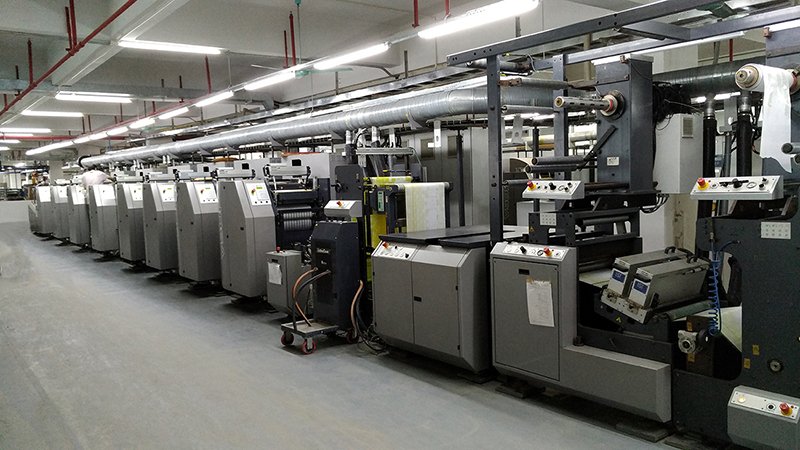
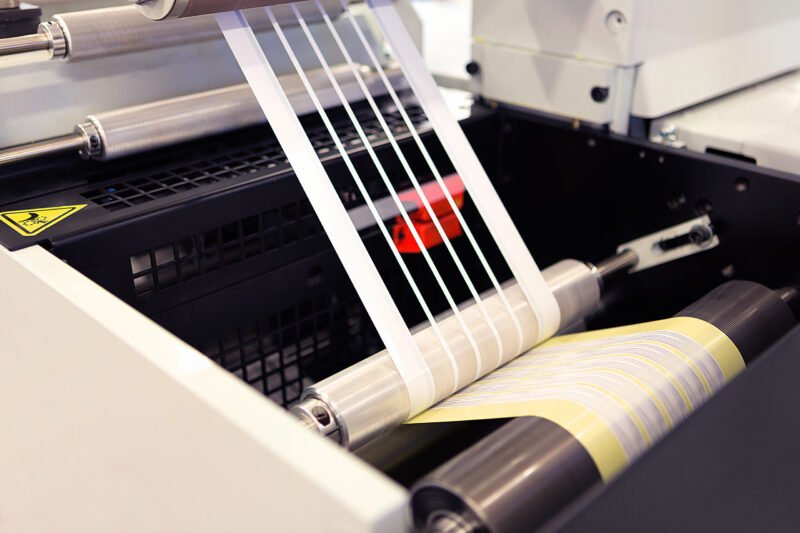
Digital printing: suitable for small batch printing or sampling, very suitable for personalized label design.
Letterpress: suitable for small batches but needs a thick ink layer printing, suitable for color saturation has a higher requirement of the label.
VSOP (Variable Sleeve Offset Printing Technology): Suitable for four-color plus Pantone spot color label printing, while supporting variable code printing needs.
Flexographic printing: suitable for high-volume printing, with high efficiency and low cost, suitable for labels that require mass production.
Screen Printing: Suitable for outdoor label printing, waterproof and sunproof for 3-5 years, large and small orders are OK.
Any Shape are avalible
Liyantian’s CBD labels can be digitally engraved in shape for small orders, and die-cut in the way of making molds for medium and large orders, so no matter how big or small your order is, we can die-cut it according to the shape of your design without any shape limitation, and you can contact our online customer service if you have any questions.
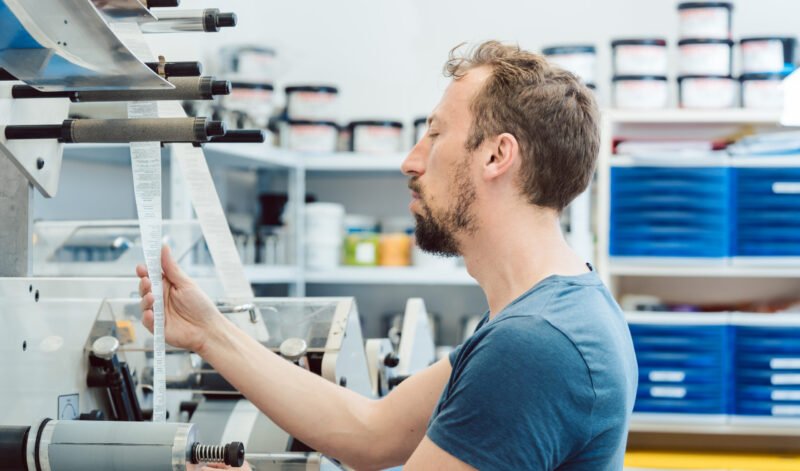
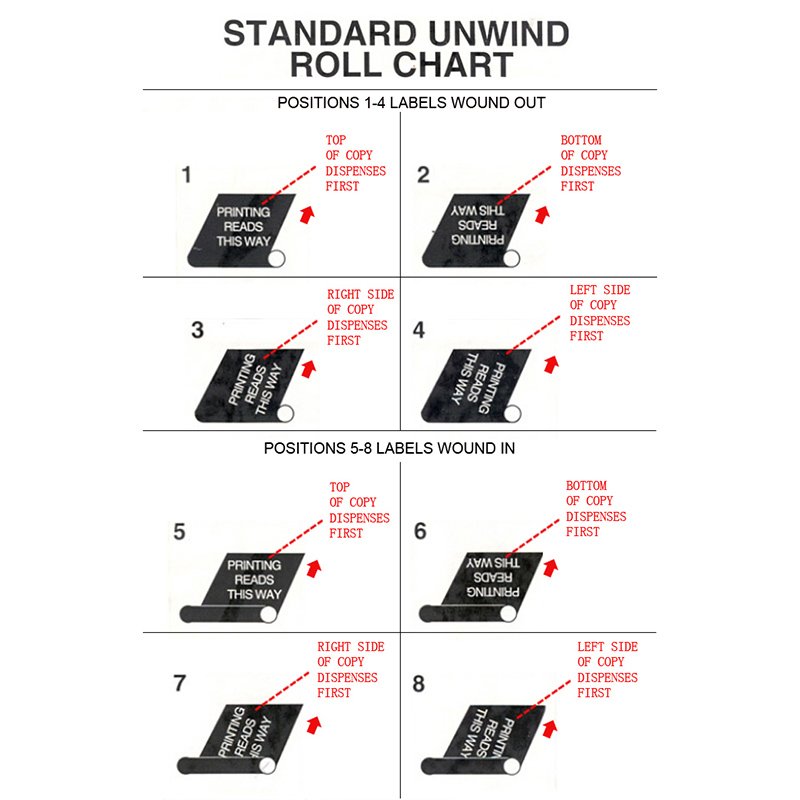
Some Thing Need to Know About Label Roll Packaging ?
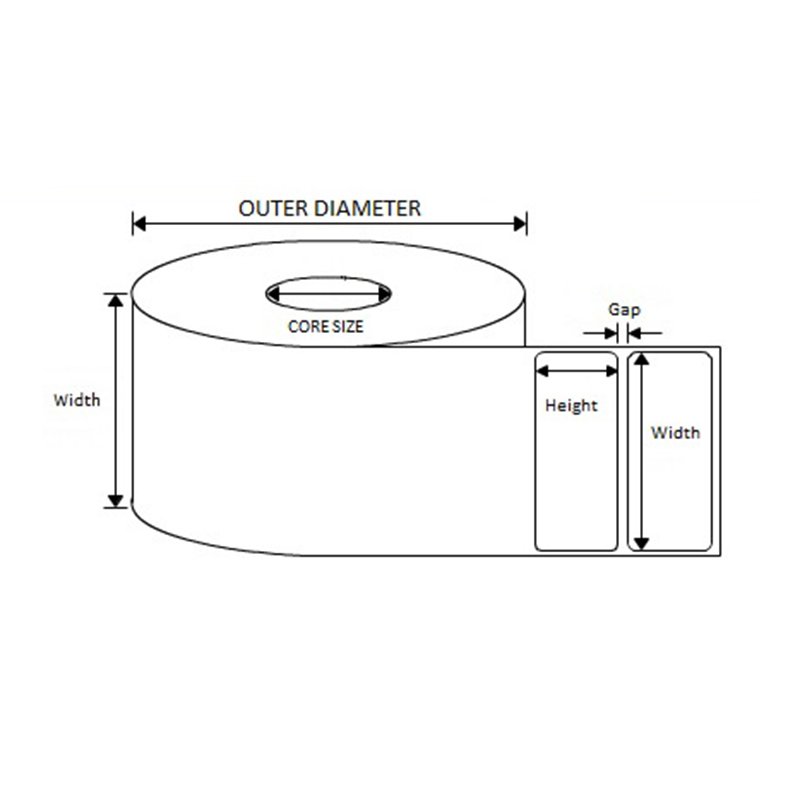
Core Size: The selection of core size should be based on the actual needs of the customer, involving both manual and machine labeling scenarios. For manual labeling, the core size is generally unrestricted, with 76MM being the standard size. For machine labeling, the specifications of the labeling machine must be considered, with common core diameters being 25MM, 40MM, and 76MM. Customers should choose the appropriate core size according to the model of their labeling machine.
Outer Diameter: The quantity per roll and the outer diameter of the sticker roll can also be customized according to customer needs. If there are no specific requirements, the recommended outer diameter range is 14 to 20CM; if the labeling machine has special outer diameter requirements, it should be customized according to those requirements.
GAP: The distance between two adjacent labels, with the standard setting being a 3MM gap between two labels. Please specify any special requirements when placing an order.
Surface Finish Options
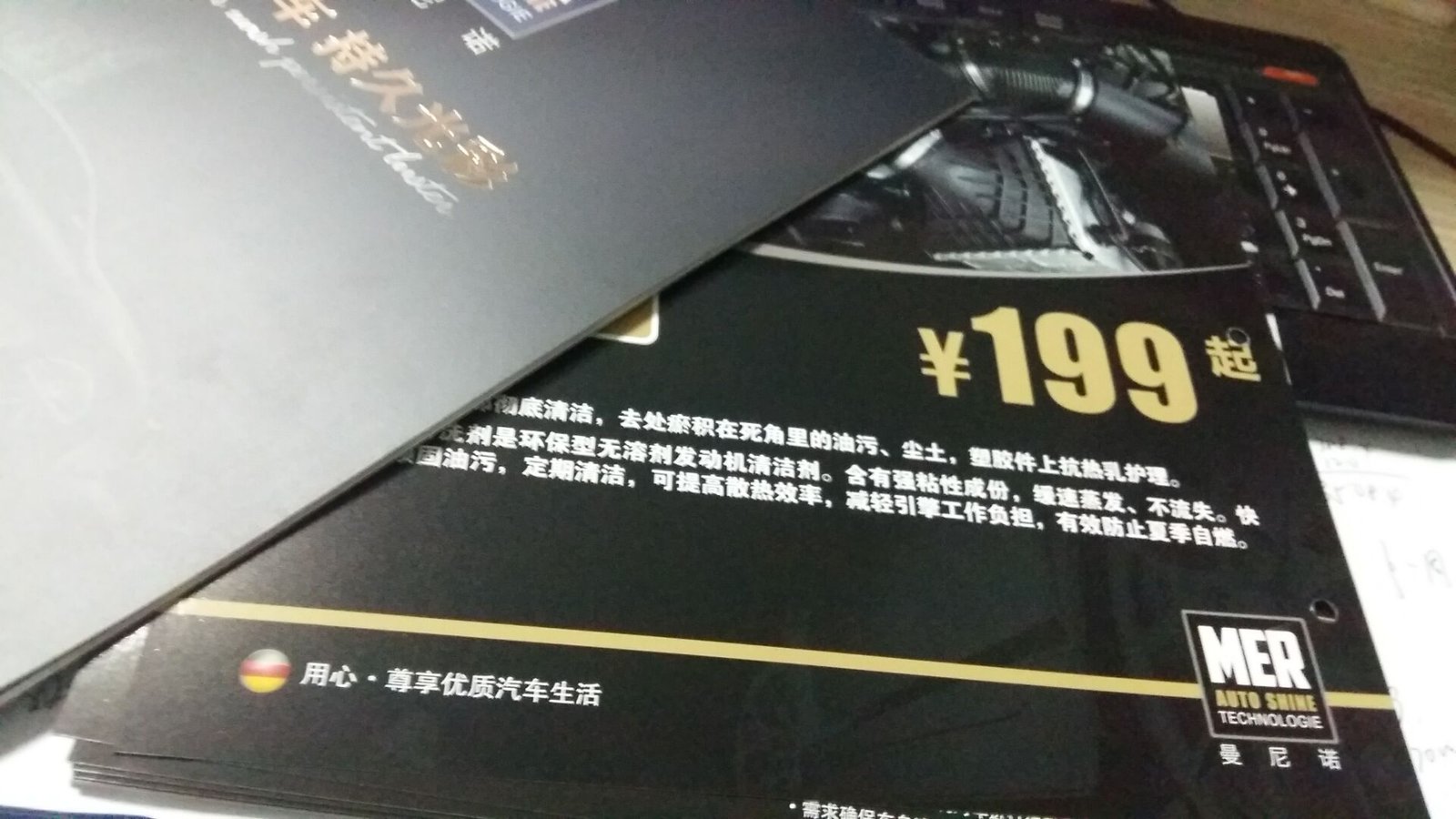
Glossy lamination involves applying a clear, plastic film over the label’s surface that gives it a high-gloss, shiny finish. This lamination enhances the vibrancy of the colors, making them appear richer and more saturated. The shiny surface also adds a sleek, polished look to the label, which can help catch the light and attract attention on store shelves. The gloss finish is also resistant to moisture and fingerprints, adding a protective layer that ensures the label remains pristine and eye-catching over time.
Matte lamination, on the other hand, provides a soft, non-reflective finish. It tones down the label’s colors slightly, giving them a more subtle, sophisticated appearance. The matte finish is perfect for products that aim for an understated elegance and a modern, minimalist look. It reduces glare under bright lights, making the text and design elements easier to read. Additionally, the matte surface has a tactile quality that feels smooth to the touch, enhancing the overall user experience.
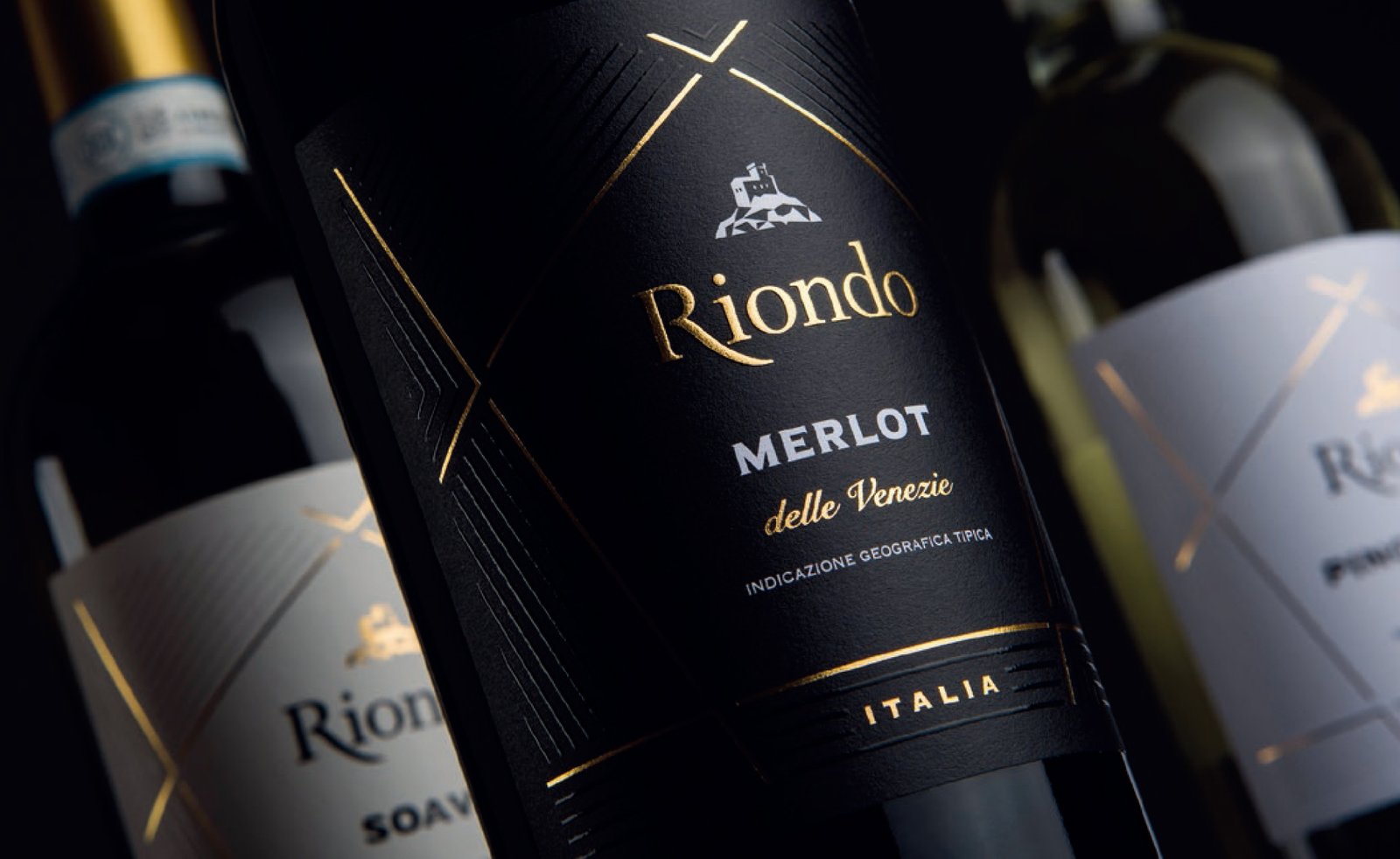
Foil stamping is a technique where metallic foil is applied to the label using heat and pressure, creating a shiny, reflective surface on selected areas of the design. Silver and gold are the most commonly used foils, but other colors are available as well. The foil adds a luxurious, premium feel to the label, making it stand out with a sophisticated shine that catches the eye. This technique is often used to highlight important elements of the design, such as logos, brand names, or decorative borders, giving the product an upscale and distinguished appearance. The reflective quality of the foil can also create a sense of depth and dimension, enhancing the overall visual impact of the label.
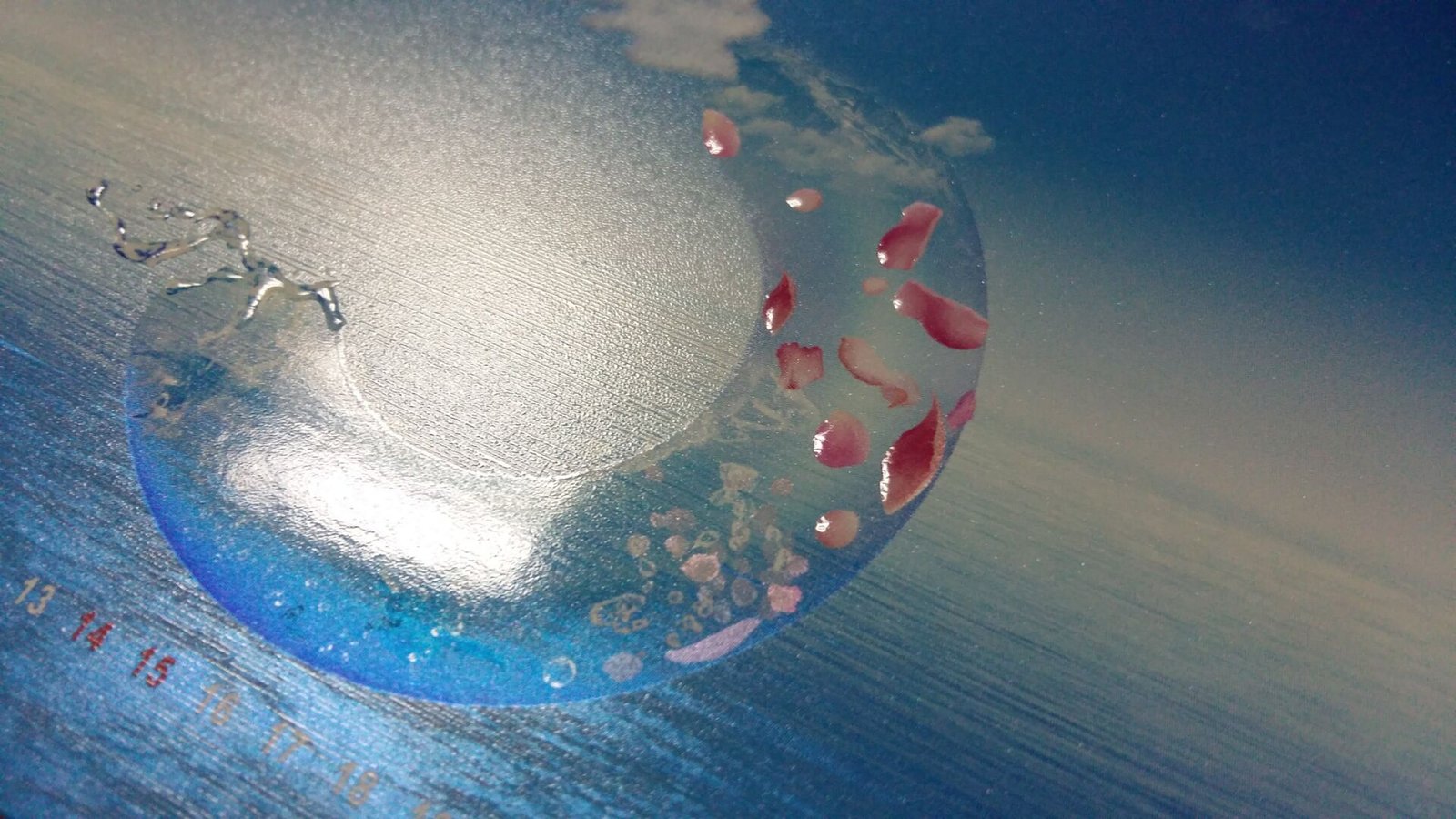
Spot UV is a method where a high-gloss coating is applied only to specific areas of the label, creating a striking contrast between the glossy and matte parts of the design. This technique is often used to draw attention to particular elements, such as logos, product names, or images, by making them stand out against the rest of the label. The raised, glossy finish not only adds a visual highlight but also a tactile element, making the label more interactive and engaging to the touch. The precise application of Spot UV allows for intricate and detailed design work, giving the label a sophisticated and professional look.
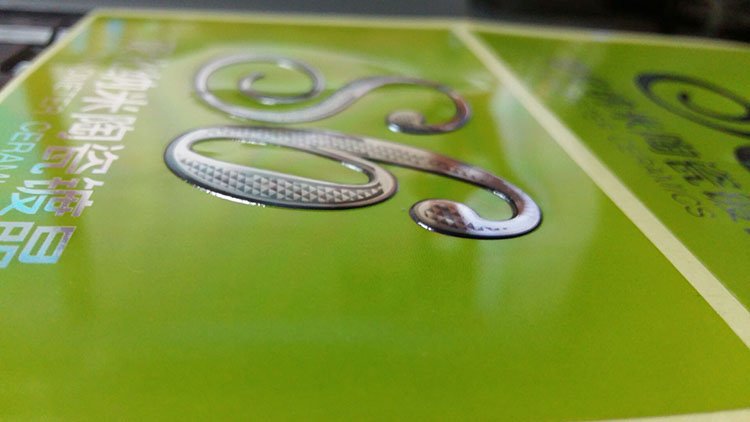
Embossing is a process where certain parts of the label are raised above the surface, creating a three-dimensional effect. This is achieved by pressing the label material between two metal plates, one with the design cut into it (the die) and one with a raised version of the design (the counter die). The result is a raised, textured surface that adds a sense of depth and luxury to the label. Embossing is often used on logos, brand names, or decorative elements to make them more prominent and tactile. The raised areas can also catch the light differently, adding subtle highlights and shadows that enhance the overall aesthetic of the label.
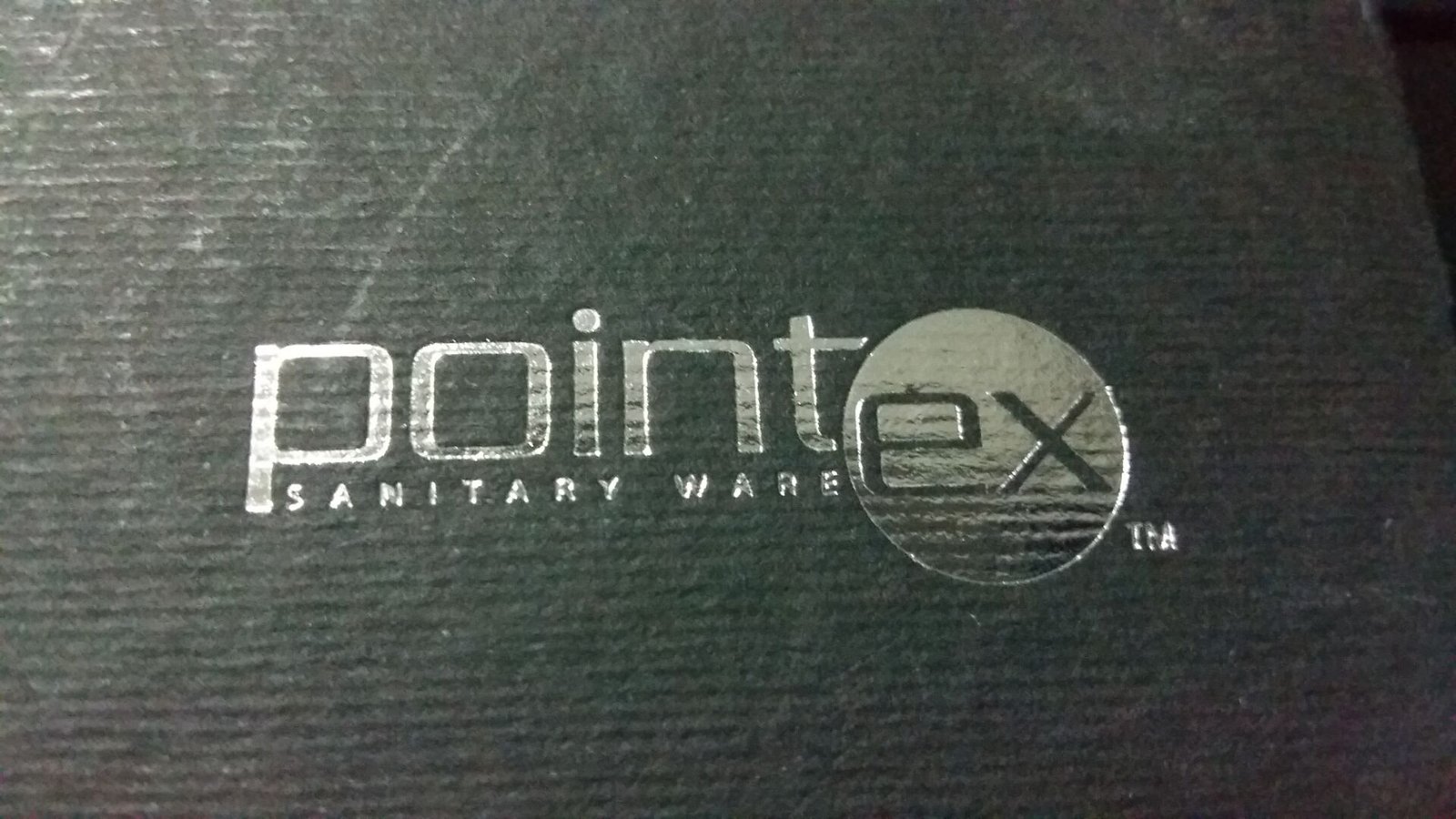
Textured surface treatments involve adding a unique pattern or texture to the label, which not only enhances its visual appeal but also its tactile experience. This can be done through various methods, such as embossing, debossing, or using textured films and coatings. Textures can range from subtle, such as linen or leather, to more pronounced, like wood grain or sandpaper. A textured surface can convey a sense of craftsmanship and quality, making the product feel more premium and artisanal. It also helps the label stand out in a crowded marketplace, as the unique feel and appearance can create a memorable impression on consumers.
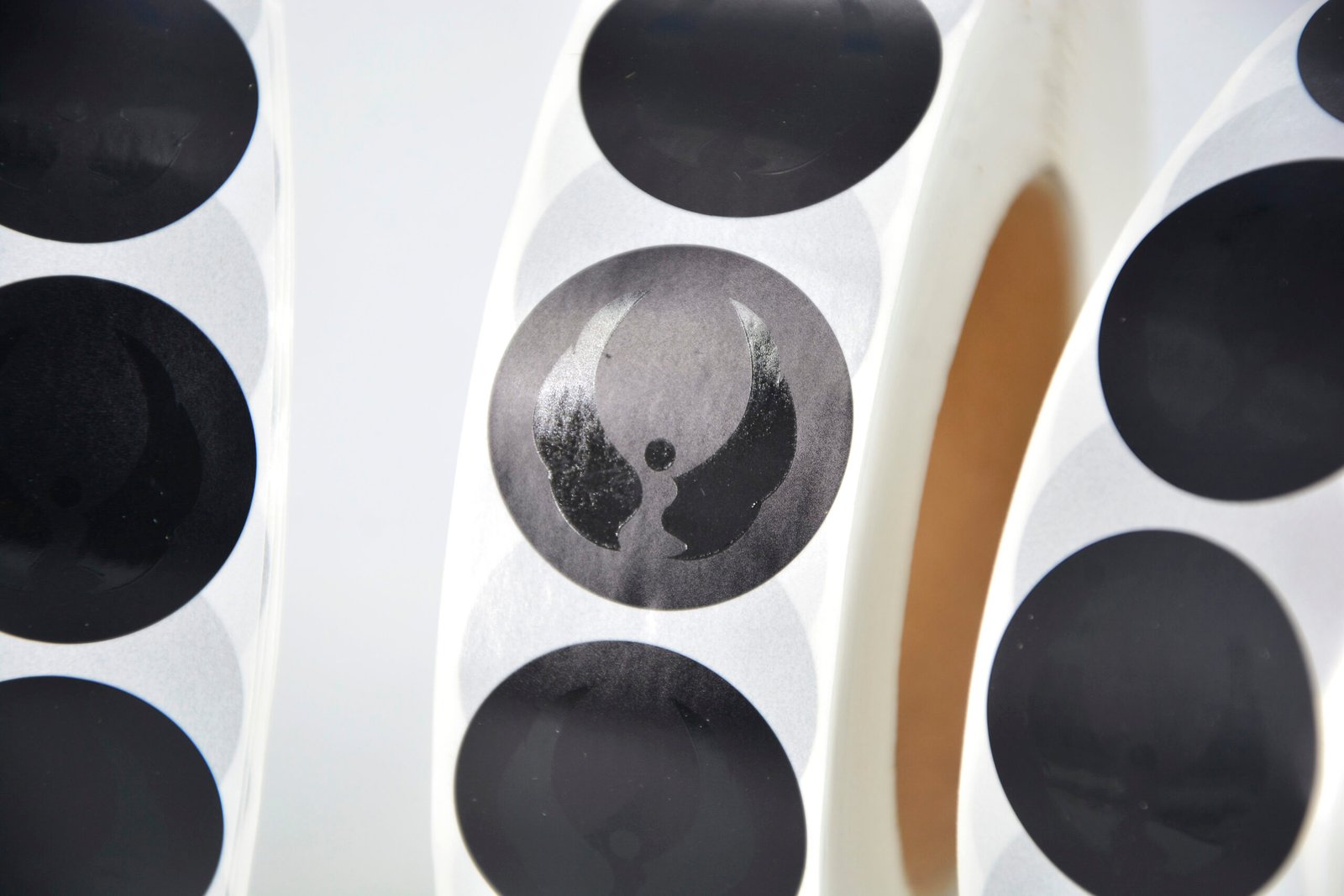
Varnishing is a process where a clear coating is applied to the label, either in a gloss or matte finish. Gloss varnish adds a shiny, reflective layer that enhances the vibrancy of the colors and provides additional protection against wear and tear. It gives the label a polished, high-end look that is especially appealing for luxury products. Matte varnish, on the other hand, offers a more subtle, non-reflective finish that adds a velvety smooth texture to the label. This type of varnish is ideal for products that want to convey a sophisticated, modern, or minimalist aesthetic. Both gloss and matte varnishes improve the durability of the label, making it resistant to scratches, scuffs, and moisture, ensuring the label maintains its quality throughout the product’s lifecycle.
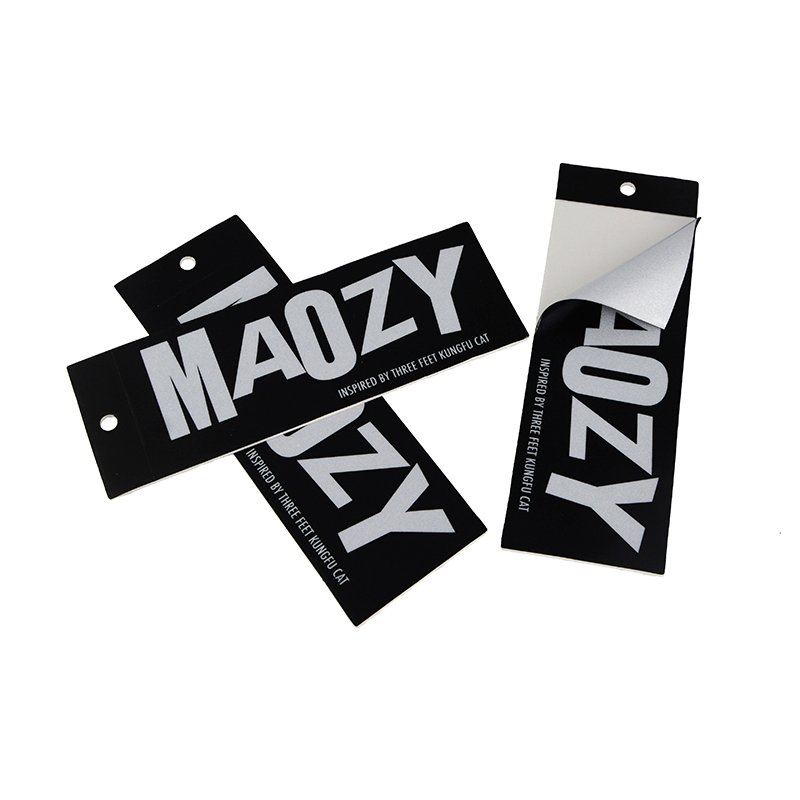
Die-cutting is a technique used to cut the label into a specific shape, creating intricate and unique designs that standard rectangular or square labels cannot achieve. A die, which is a custom-shaped blade, is used to cut through the label material with precision. Die-cutting allows for creativity in label shapes, from simple curves to complex, intricate patterns. This technique can make the label itself a distinctive design element, helping the product stand out on the shelf. For example, labels can be die-cut to follow the contours of the product or feature cut-out windows that reveal part of the product inside. Die-cut labels add an extra level of customization and visual interest, making them an excellent choice for brands looking to make a strong impression.
Different Material Composition Knowledge
- Material
- Adhesive
- Release Liner
At Liyantian, we are committed to environmental sustainability, carefully selecting eco-friendly materials and inks to ensure our products are environmentally responsible while maintaining high-quality printing results. Below are the common material options we use, each with its unique application scenarios and characteristics:
- BOPP (Biaxially Oriented Polypropylene): BOPP materials offer outstanding water and oil resistance, effectively protecting against moisture and grease, making them particularly suitable for labels on condiments, oils, and beverages. Its transparency and mechanical strength also contribute to the durability and aesthetic appeal of the labels.
- PET (Polyester Film): PET is a highly durable material with excellent heat resistance and tear resistance, making it suitable for labels that require high strength and long-term preservation. PET materials are commonly used in bottled beverages, frozen foods, and other demanding packaging environments.
- Holographic Material: Holographic material has a unique optical effect, reflecting rainbow-like colors when exposed to light, adding luxury and a sense of technology to the labels. This material is typically used for high-end product labels, such as premium wines and cosmetic packaging.
- Synthetic PP: Synthetic PP is an eco-friendly material that is waterproof, oil-proof, and tear-resistant, making it especially suitable for packaging in frozen or humid environments. It not only withstands extreme conditions but also maintains the integrity and clarity of the labels, commonly used in frozen food, seafood, and similar products.
- Thermal Paper: Thermal paper is designed for variable data printing, such as barcodes, batch numbers, and production dates. Its surface reacts sensitively to heat, displaying information without the need for ink, widely used in logistics labels, receipt printing, and temporary labels.
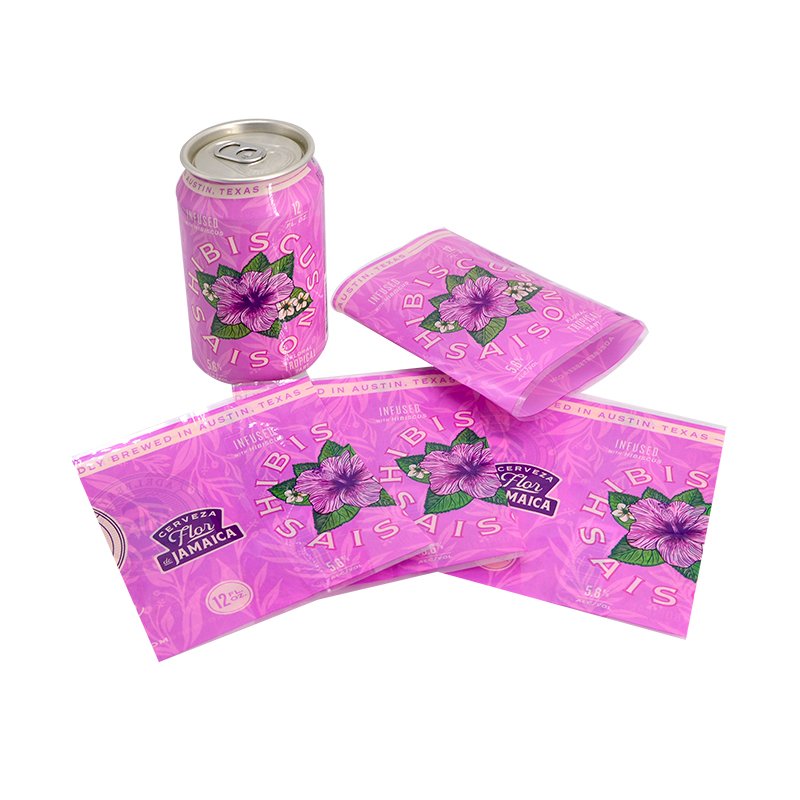
- Shrink Labels: Shrink labels are a type of material that can cover the entire surface of the packaging, especially suitable for complex-shaped curved packaging. When heated, the labels shrink to fit the surface of the packaging, providing comprehensive protection and an attractive appearance, widely used in bottled beverages, cosmetics, and household products.
- Wash-off Labels: Wash-off labels are easy to remove without leaving residue, making them particularly suitable for recyclable bottles. They easily peel off when soaked in water, ensuring the container can be reused, making them an ideal choice for eco-friendly packaging.
Through these carefully selected materials, Liyantian provides customers with CBD packaging label printing solutions, meeting the packaging needs of different products in various environments, while also helping brands achieve their sustainability goals.
To ensure that printable CBD label stickers adhere securely in various environments and meet different product packaging needs, Liyantian offers a range of adhesive options carefully tailored to our clients’ requirements. Below are some of the adhesives we commonly use and their application scenarios:
- Freezer Adhesive:
Freezer adhesive is specifically designed for low-temperature environments, making it ideal for labels on frozen foods. Even at extremely low temperatures (typically ranging from -40°C to 5°C), this adhesive maintains excellent adhesion, ensuring that labels do not peel off or shift during freezing and thawing processes. This adhesive is particularly suitable for products like ice cream, frozen meats, and other frozen goods. - General Permanent Adhesive:
General permanent adhesive is suitable for environments with temperatures ranging from 5°C to 60°C, providing stable adhesion within this range. This adhesive is ideal for labels on products stored at room temperature, such as food and beverages, ensuring that the labels remain securely attached and do not peel off or shift during regular use.
By offering these diverse adhesive options, Liyantian ensures that your printing CBD labels maintain strong adhesion and durability in any environment, providing reliable protection for your product packaging. Whether in normal temperatures, low temperatures, or other specific environments, we can help you find the most suitable adhesive solution, ensuring your products remain in optimal condition.
Based on the specific application scenarios for custom printed CBD labels, Liyantian offers various release liner options to ensure that the labels can be used smoothly during production and application, achieving optimal results. Below are two common release liner choices and their respective application scenarios:
- Roll Labels:
Roll labels typically use glassine liners. The transparency of this liner facilitates smooth operation in automated production lines, making it easy to peel off and apply labels. Glassine liners are known for their strength and flexibility, ensuring stability during high-speed labeling processes. This makes them ideal for high-volume, efficient production environments where labels need to run smoothly through labeling machines. - Sheet Labels:
Sheet labels usually come with yellow or white release liners, suitable for manual labeling or small-scale production applications. These liners are easy to manage and handle, allowing for single-sheet use, making them ideal for scenarios that require flexible operation and personalized handling. The smooth surface of the yellow or white liners ensures that labels remain in good condition during storage and transport, and they are easy to peel off and apply manually, reducing the risk of errors.
By selecting the appropriate release liner based on the application scenario, Liyantian provides customers with top-quality CBD labels to print solutions, ensuring that labels perform at their best under different production conditions.
Related Product
FAQ
Liyantian is a professional label printing service provider based in China. Below are some frequently asked questions (FAQs) for your reference. For further inquiries, please feel free to contact our customer service team.
We accept a variety of file formats to accommodate your printing needs:
- AI(Adobe Illustrator)
- CDR (CorelDRAW)
- PSD (Adobe Photoshop)
- JPG or PNG(High-resolution, at least 300 dpi)
While our designers do not create designs from scratch, they are here to assist in the following ways:
- Crafting the outline of your artwork.
- Adding bleed to your artwork for print perfection.
- Small change for you artwork.
We are proud to be a 100% manufacturer, owning and operating our own printing factory. This ensures direct control over the quality and production of your printing needs.
The completion time for orders typically ranges between 5 to 12 working days. This time frame ensures that we maintain our standard of quality while meeting your deadlines.
A 30% deposit is required before production, with the balance paid after final approval of the product images and samples sent to the client.