

Printed Food Labels
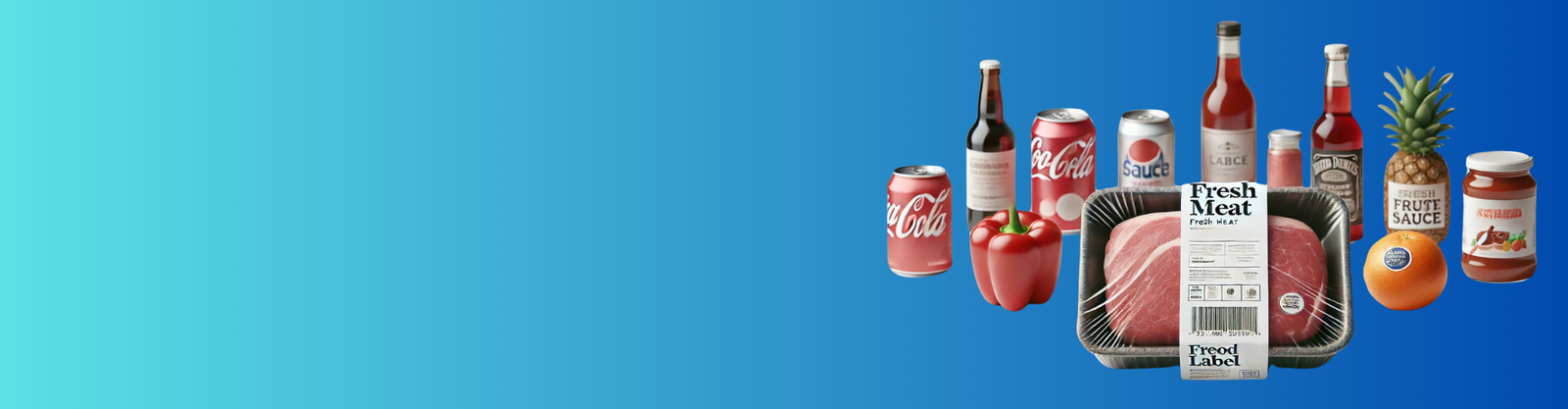
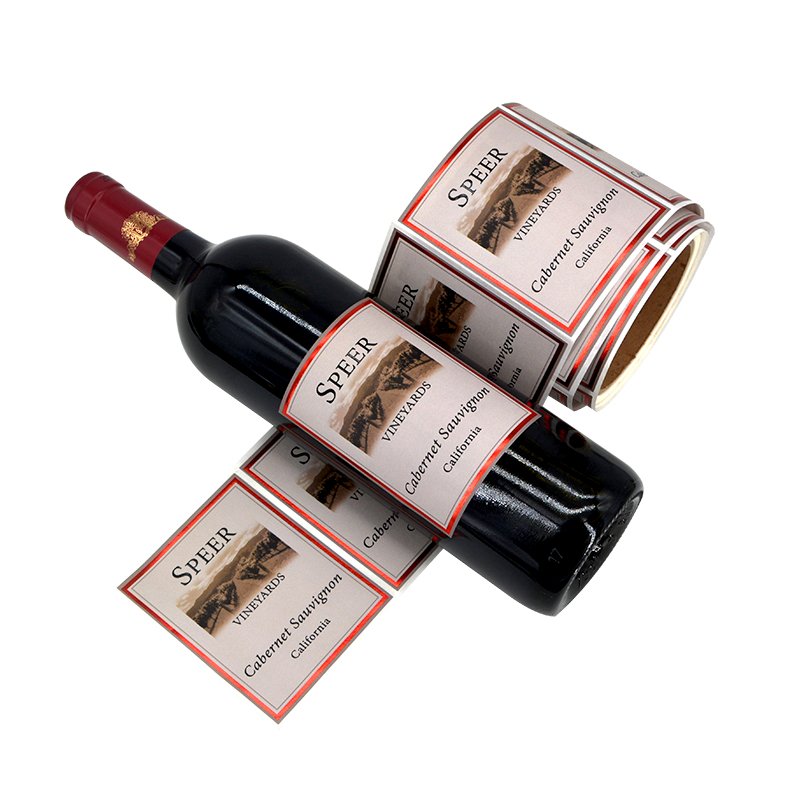
Liyantian is a professional food private label manufacturers. We select high-quality materials according to the design and packaging needs of various foods and beverage, combine sophisticated printing technology, and perform exquisite post-processing on brand LOGO and key details. Our custom food packaging labels can not only quickly attract consumers’ attention visually and stand out from many commodities, but also give people a deep impression in terms of touch and texture, thereby enhancing consumers’ purchasing confidence and promoting product sales.
- Printing Options: Offset Printing, Letterpress Printing,Flexo Printing,Gravure Printing,Silkscreen Printing
- Color Options: Full color ,Spot Colors,PMS
- Multi Materials : Coated Paper,Woodfree paper,Texture Paper,Kraft paper,Synthetic Paper ,PVC,PP,PE,BOPP,PET,Fluorescent,Holographic,Metallic
- Size Options: Width range from 1-650MM
- Shape Options: Rectangle,Square,Circle ,Oval,Star,Custom shapes
- Quantity: Low MOQ
Printable Food Labels
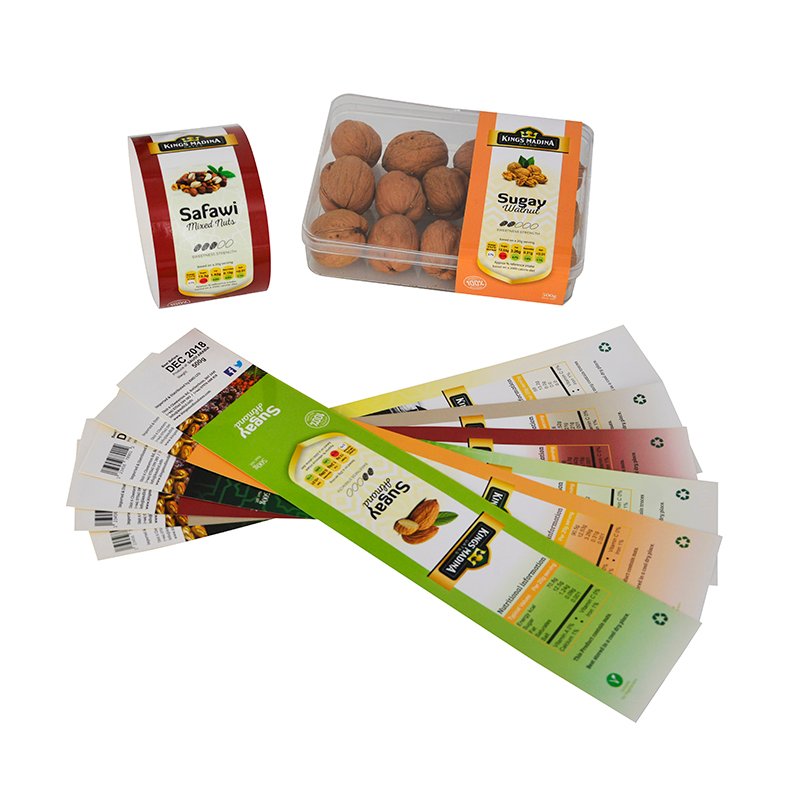
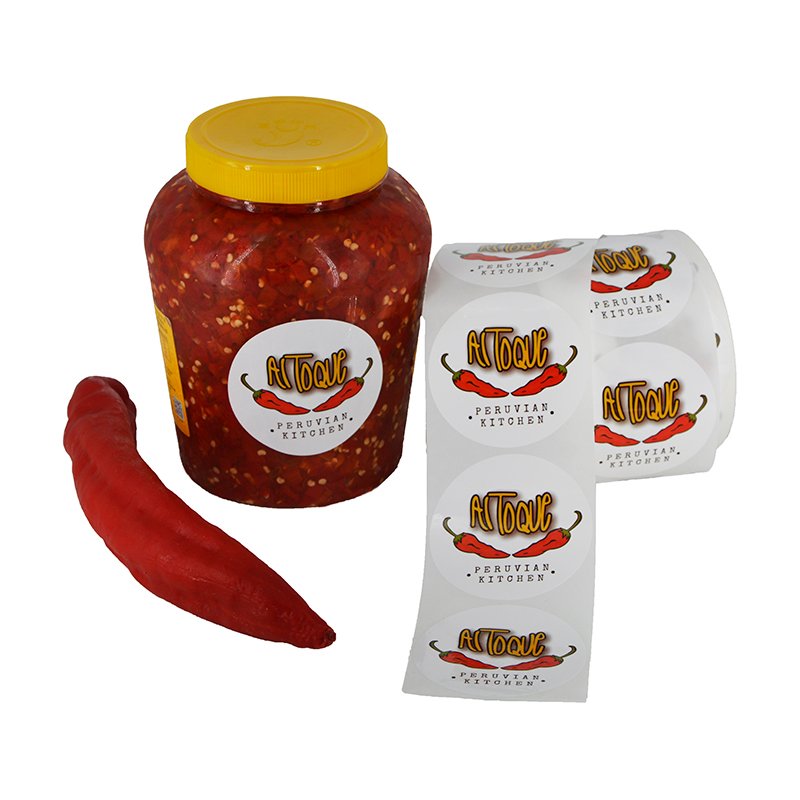
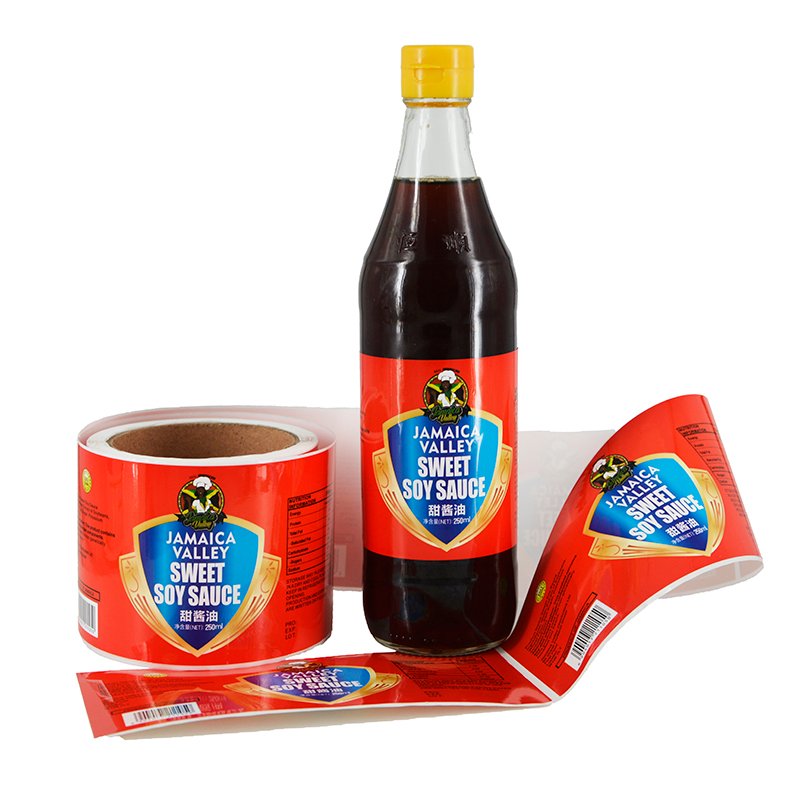
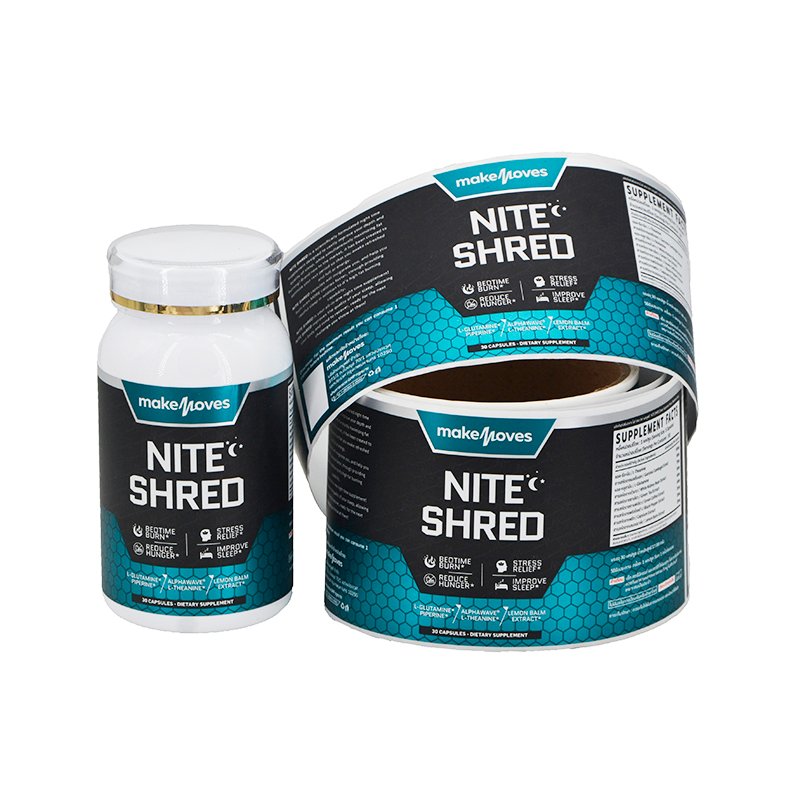
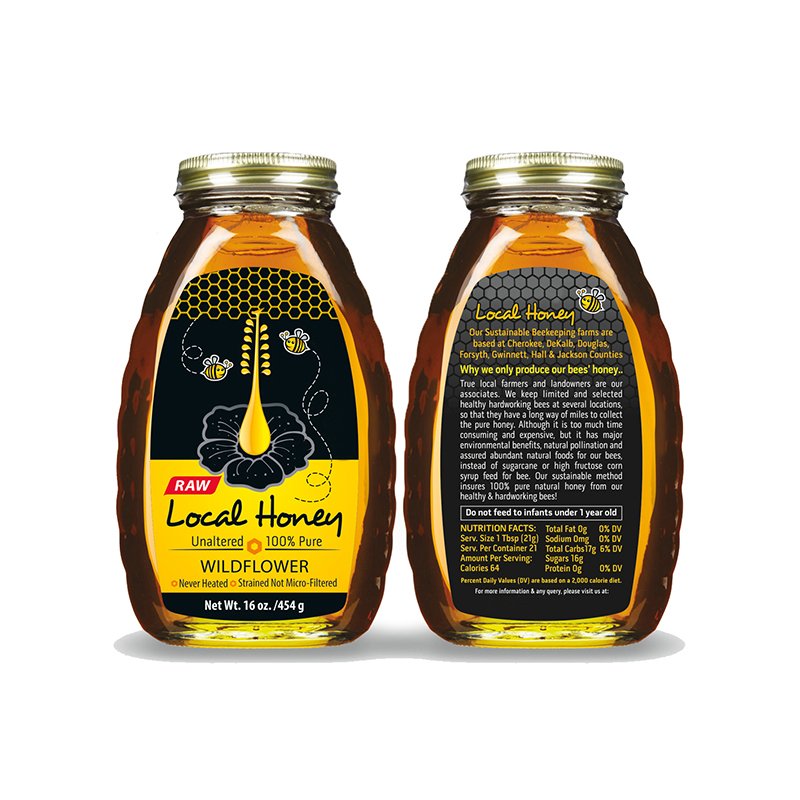
Liyantian’s food grade labels are not only used to display nutrition facts and ingredient information, decorate your food packaging, but also convey key information. Through carefully designed and printed food labels, we can effectively shape the brand image and help increase sales.
Anti-counterfeiting Printing
Liyantian’s food ingredient labels use a variety of advanced anti-counterfeiting technologies to ensure the authenticity and safety of products, helping brands effectively prevent counterfeit and substandard products from entering the market. The following are several commonly used anti-counterfeiting printing technologies:
-
 Barcode anti-counterfeiting technology
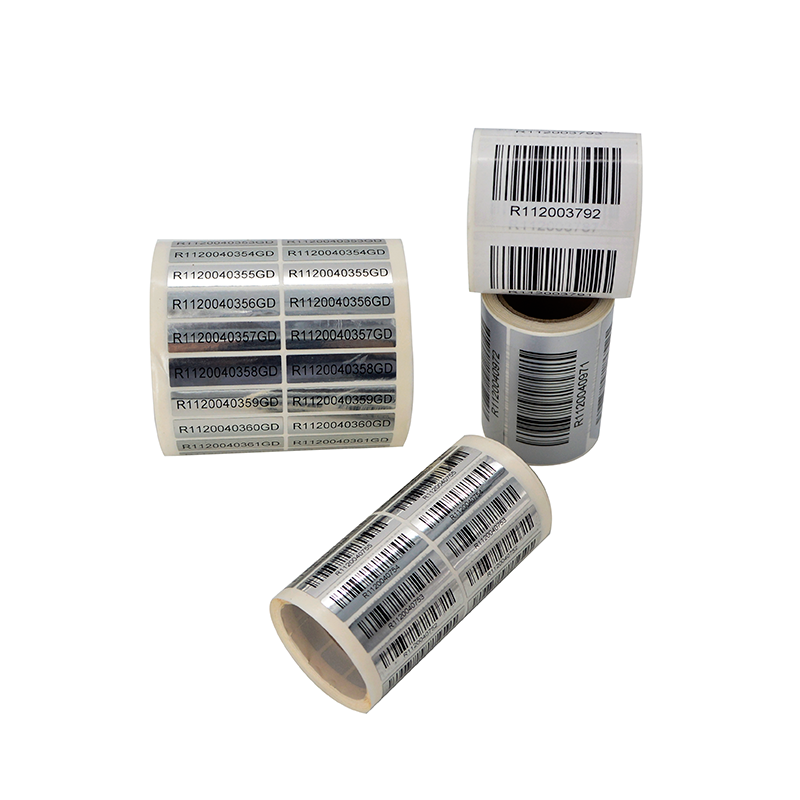
Liyantian’s labels are integrated with precise barcodes to facilitate product tracking and inventory management. By scanning the barcode, companies can instantly obtain information such as the product’s production batch and factory date to ensure the transparency of the supply chain. At the same time, consumers can also verify the authenticity of the product through the barcode to increase their sense of security when purchasing.
-
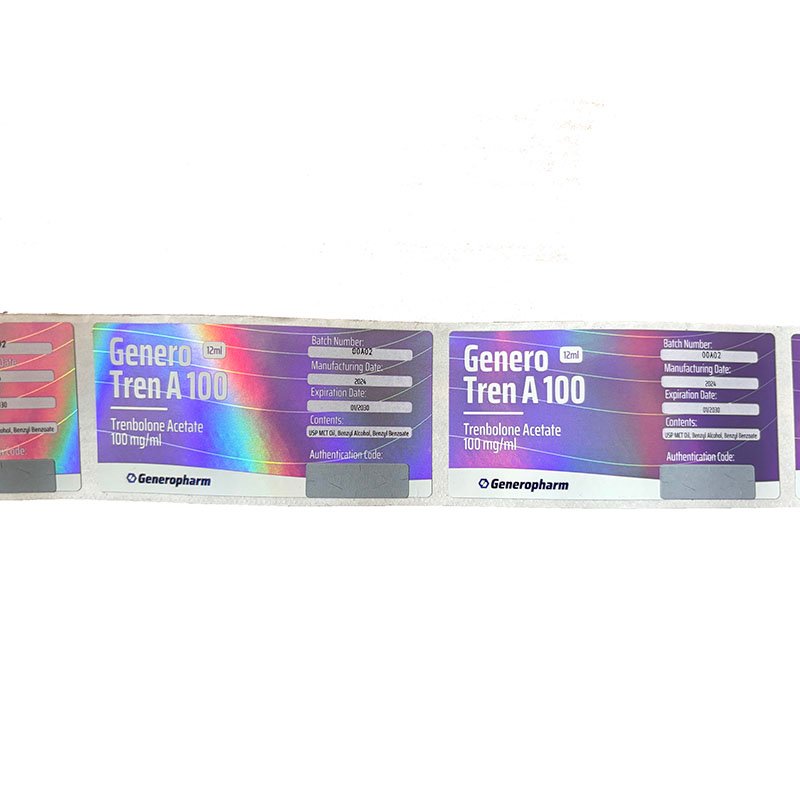 Scratch-off anti-counterfeiting technology
Scratch-off silver technology is incorporated into our label design and is usually used for the protection and promotion of anti-counterfeiting codes. The surface of the label is covered with a layer of silver coating, and consumers can view the hidden unique code by scratching off the coating. This method not only effectively prevents the anti-counterfeiting code from being copied in advance, but also increases the consumer’s interactive experience and effectively enhances brand trust.
-
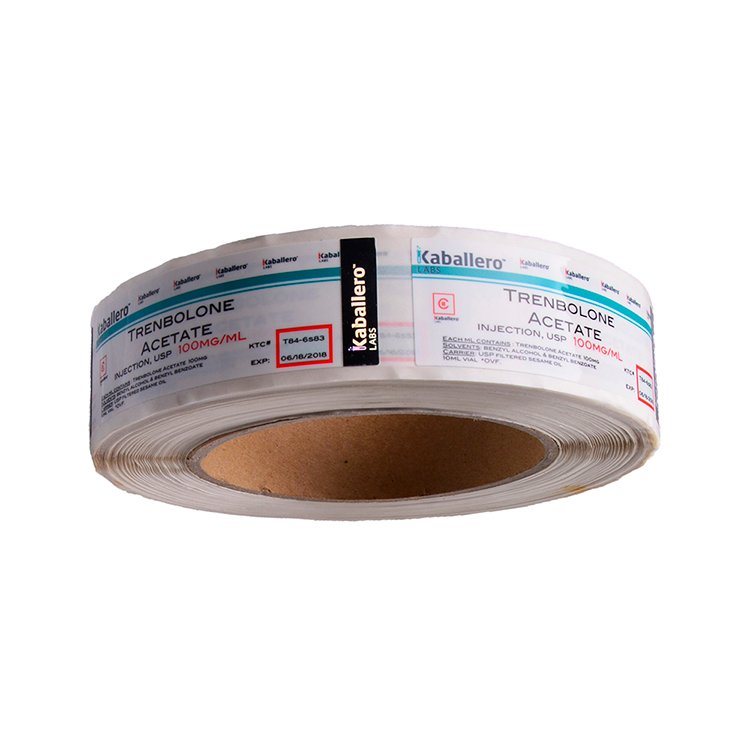 3D anti-counterfeiting laser technology
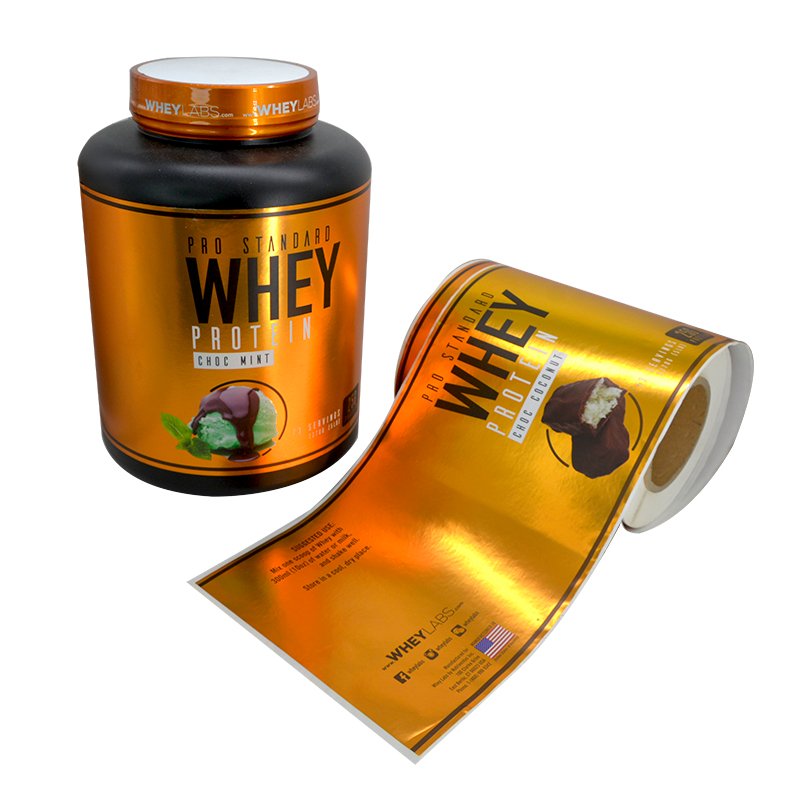
Gold stickers are a material with a golden background, shining with a metallic luster, which can give products a luxurious and high-end temperament. They are particularly suitable for occasions that emphasize brand and product grade, such as souvenirs, high-end cosmetics, and alcohol labels. To avoid color deviation, a layer of white ink needs to be added before printing.
-
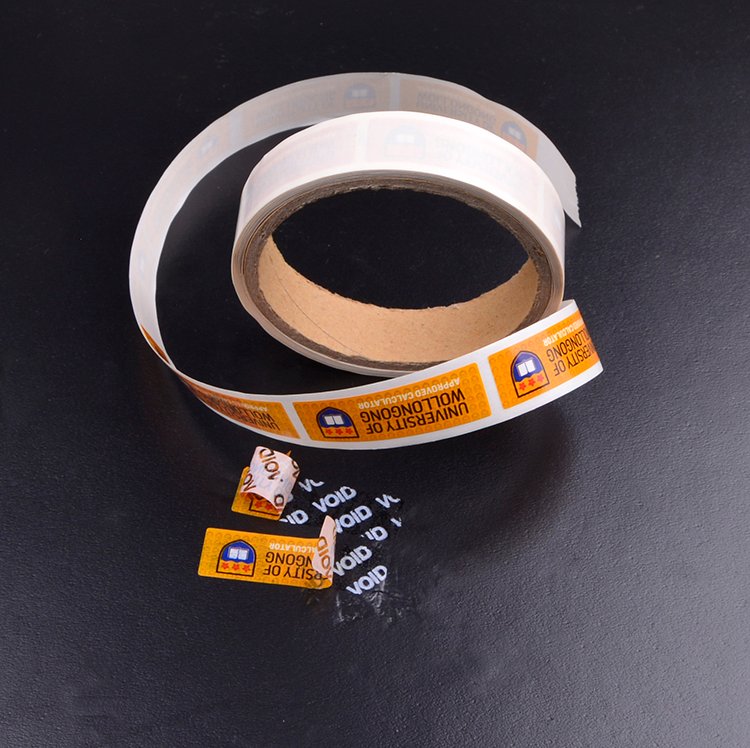 VOID label anti-counterfeiting technology
VOID label is an efficient anti-counterfeiting method. Once the label is tried to be torn off, the word “VOID” or other preset text will appear at the bottom, indicating that the label has been destroyed. Such labels can effectively prevent secondary use, ensure the integrity of product packaging, and provide additional security assurance before consumers open the package.
-
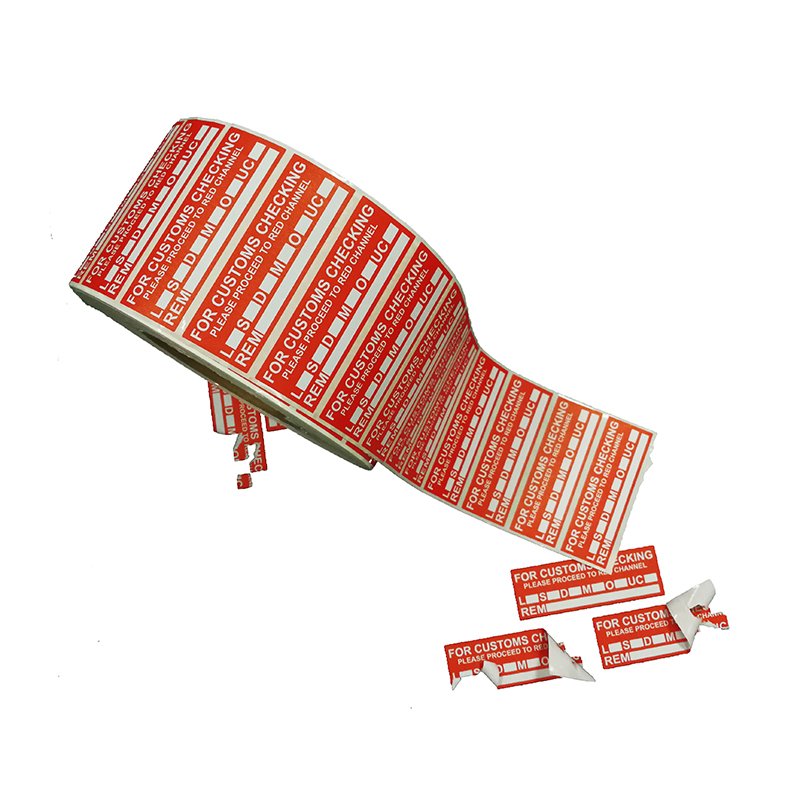 Fragile label anti-counterfeiting technology
Our fragile labels are made of special materials and are designed to break immediately when they are tried to be torn off. The main function of this label is to prevent the packaging from being tampered with or replaced during transportation or sales. Once the label is destroyed, it cannot be restored to its original state, thereby ensuring the safety of the product.
Food Product Label Printing by Material Function
Label materials are diverse, and many materials have unique functionalities use to different applications. Traditional label functions can no longer satisfy the modern consumer’s pursuit of personalization. As times evolve, an increasing number of consumers are seeking labels with personalized functions. Liyantian, as a professional food label manufacturers with 23 years of experience, continually customizes food label print solutions for clients. We comprehensively control every aspect from document design, material selection, functional requirements, to printing production. At the same time, we are constantly developing new materials, adhesives, and printing labels for food packaging according to customer demands, committed to continuous exploration and expansion.
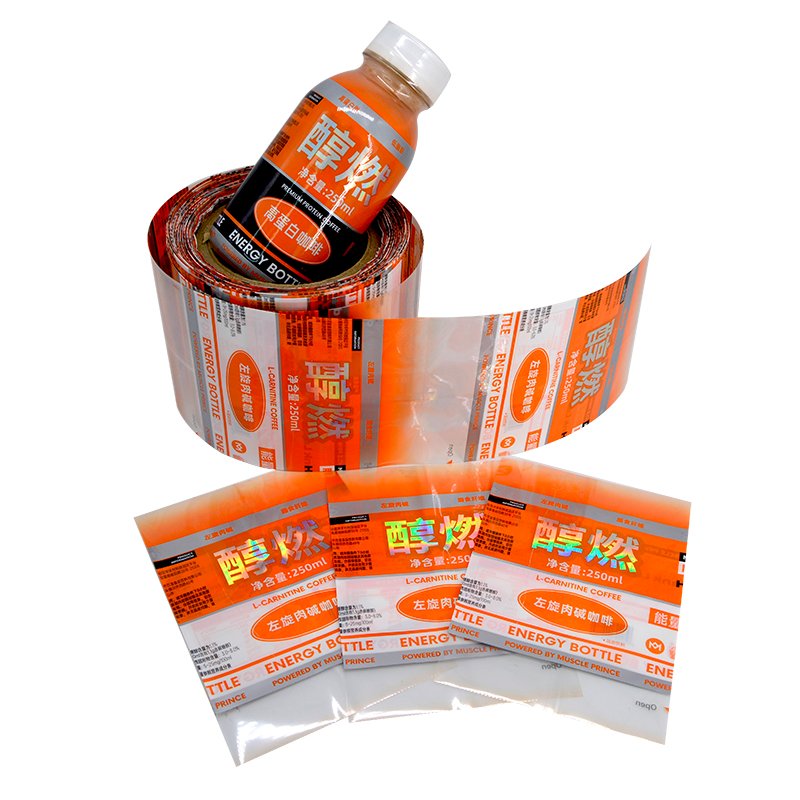
-
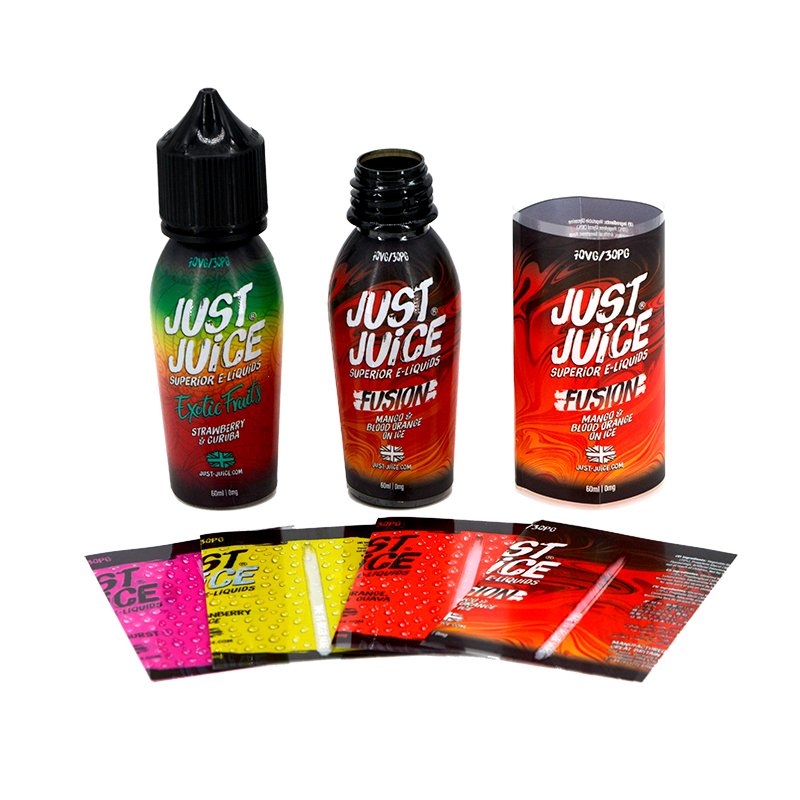
Made from special materials that tighten and perfectly conform to containers of various shapes upon heating, providing a seamless and comprehensive coverage for uniquely shaped products.
-
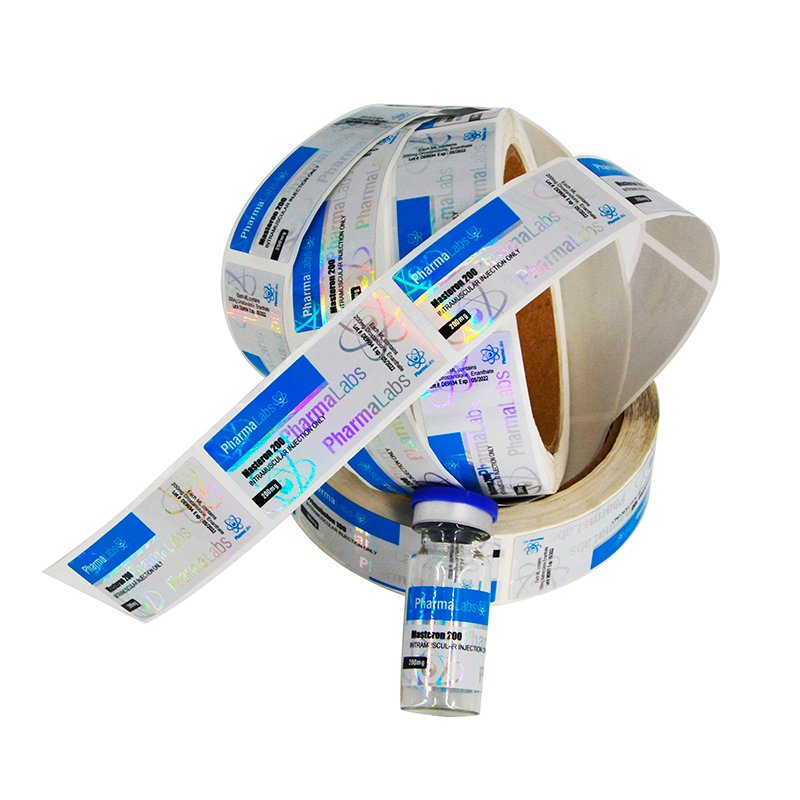 Holographic Labels
Labels with holographic patterns that leverage their 3D visual effects and reflective properties to enhance product security and visual appeal, mainly used for brand anti-counterfeiting and product identification.
-
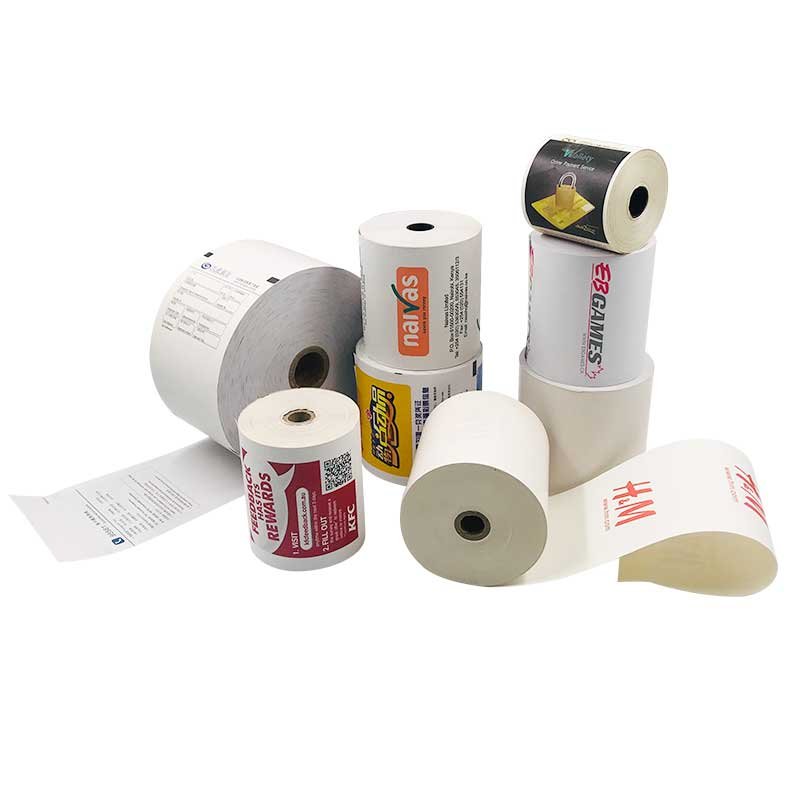
These labels are heat-sensitive, allowing thermal printers to directly print information on their surface. Available in both adhesive and non-adhesive , they are extensively used in logistics, product packaging, and retail pricing labels.
-
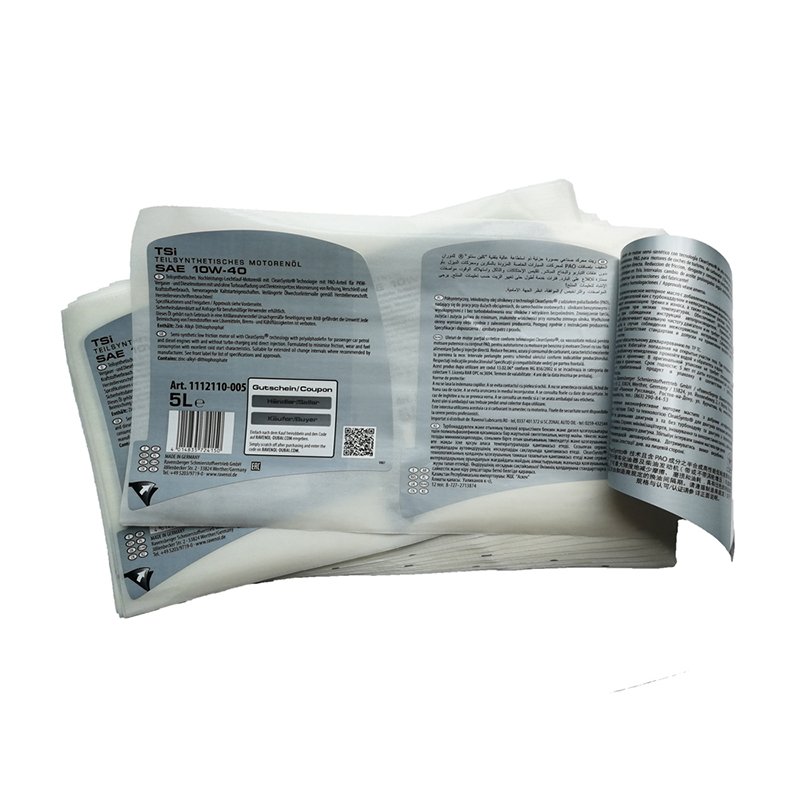 Double Layer Labels
These labels feature a dual-layer design, where the top layer can be lifted to reveal information beneath, highly suitable for products that require the display of additional information or for promotional activities.
-
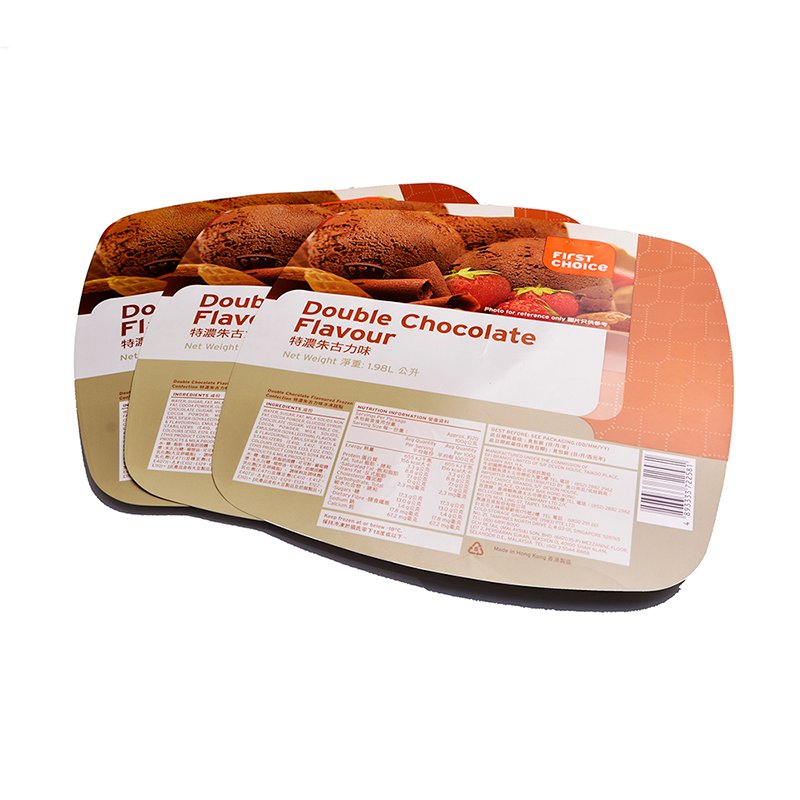 In-Mold Labels
Labels that integrate directly with the container during the product packaging manufacturing process, offering durability and high-definition image display, typically used on food and beverage containers.
-
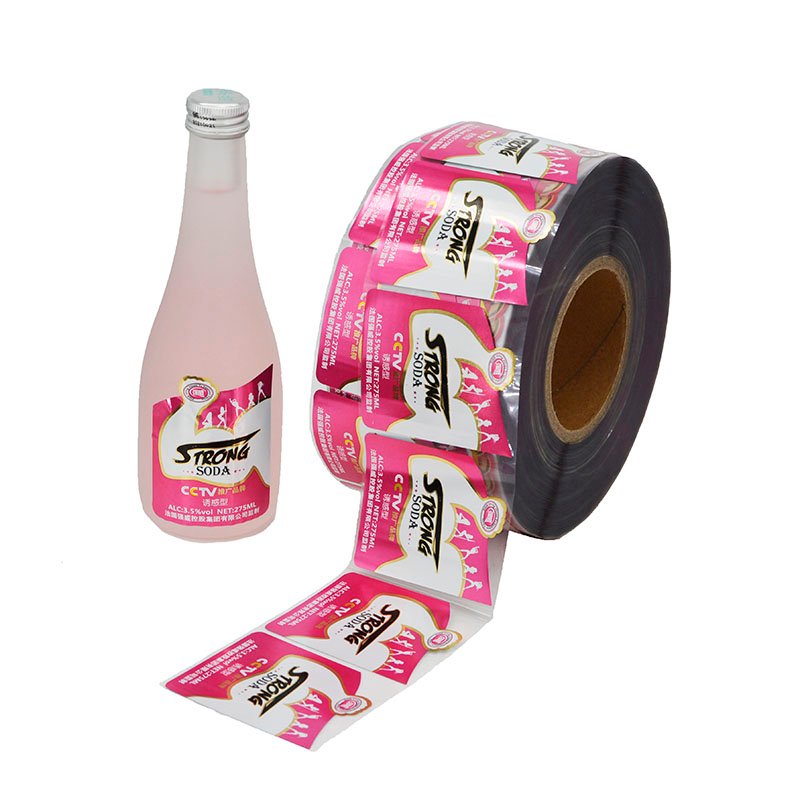 Wash-off Labels
A wash off label is designed to easily peel away from a container when exposed to water at a specific temperature, facilitating recycling by leaving no residue. It’s ideal for reusable packaging, enhancing sustainability efforts.
Why Choose Liyantian For Food Label Printing Services

A wide range of materials choose
CMYK and Panton spot color are available

Any shape choose for die cut or kiss cut stickers

Small MOQ requirement for labels
Printing Food Labels
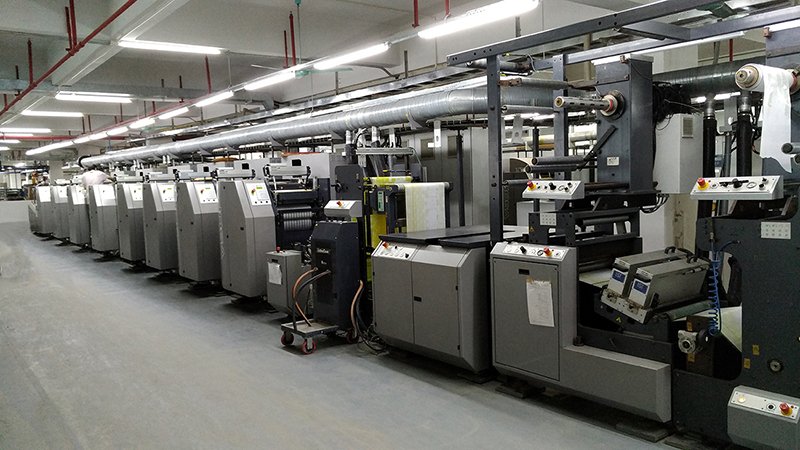
Liyantian food labels use environmentally friendly and non-toxic printing processes to ensure product safety and environmental protection. We will carefully select the most suitable printing equipment and printing methods based on the customer’s design documents, selected materials, specific printing requirements and order quantity. For example, for complex patterns and high-resolution images, we may choose offset printing or digital printing to ensure accurate color reproduction; for large-volume orders, flexographic printing or VSOP technology may be used to improve production efficiency and control costs. Throughout the production process, we are always committed to providing customers with high-quality food labels printing at a reasonable cost that not only meet environmental standards, but also perfectly display brand image and product information.
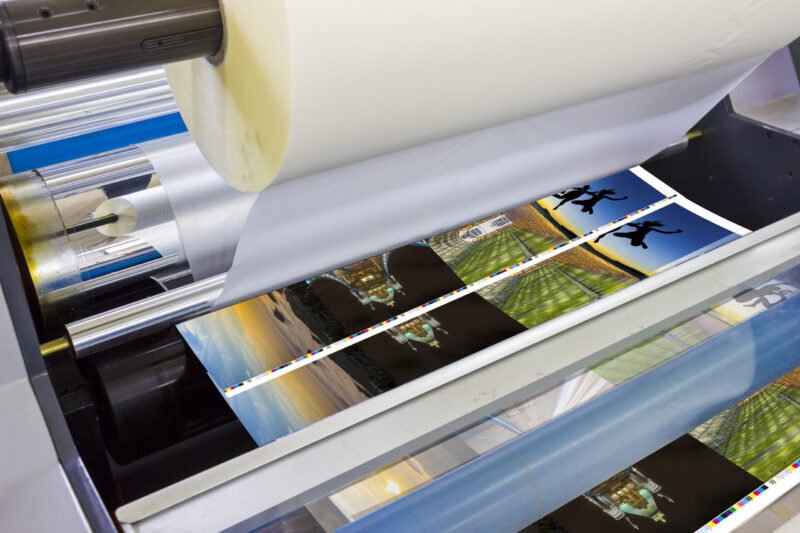
Lamination Processing
LiYanTian possesses advanced surface finishing technologies, offering clients a variety of surface treatment options, including services for glossy and matte lamination. Beyond the standard glossy and matte effects, we can cater to special requirements with a wider range of unique lamiantion treatments, such as scratch-resistant lamination to enhance product durability and aesthetics, as well as holographic lamination for adding distinctive visual effects. These specialized lamination treatments are designed to meet the needs of various industries and application scenarios, though they require meeting certain minimum order quantities. We are committed to utilizing these high-quality surface treatment technologies to protect our clients’ products while enhancing their competitiveness in the market.
UV and Embossing Processing
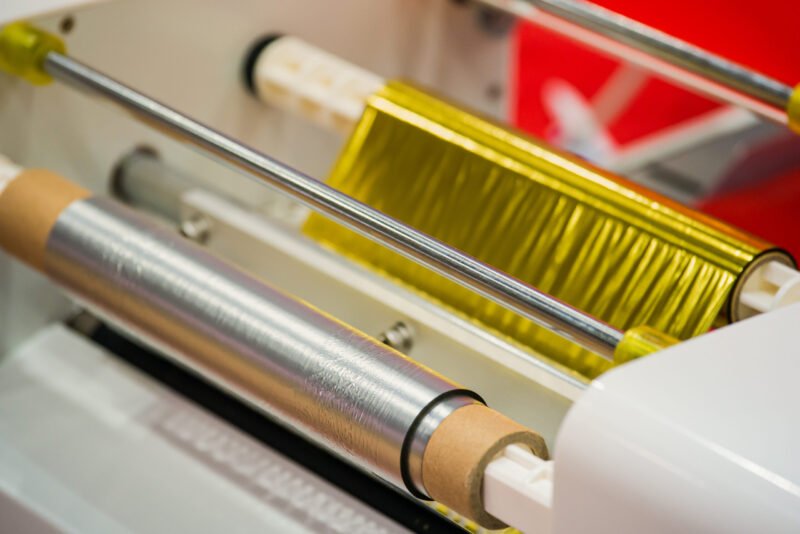
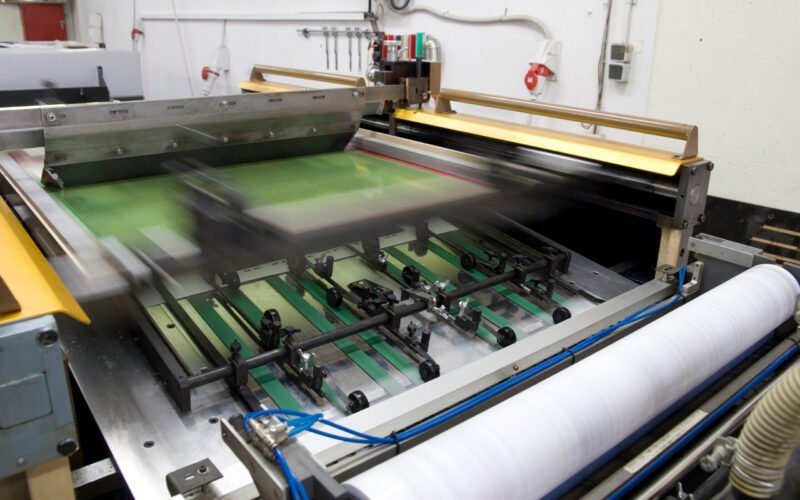
To make the key information, LOGO, and brand image on stickers stand out, some clients opt for advanced surface treatments like embossing and Spot UV (Selective UV varnish) on the sticker surface. This approach enhances contrast in both visual and tactile dimensions, making certain areas stand out among a plethora of information, thereby immediately capturing people’s attention and effectively increasing the target audience’s awareness and recall of the brand. The embossing effect adds a three-dimensional aspect to the stickers, while the selective UV varnish gives the surface a unique gloss, further enhancing the sticker’s appeal and the professionalism of the brand image. Such meticulously designed stickers not only significantly boost brand recognition but also deepen the consumers’ impression of the brand, adding an extra layer of allure and persuasiveness to the messages conveyed by the brand.
Die Cut or kiss cut
For different clients and their products, the requirements for packaging labels naturally vary, leading to different needs for die-cut shapes. Some clients might only require basic shapes such as circles, squares, rectangles, or ovals for their labels; however, a significant number of clients seek more personalized and unique die-cut shapes, such as hearts, stars, or even labels that incorporate multiple different shapes within a single design. Faced with these diverse needs, LiYanTian has the technical capability and capacity to precisely meet the custom requirements for various complex and special shapes. Whether it’s simple requests for single shapes or complex designs featuring multiple forms, LiYanTian can provide high-quality solutions, ensuring that every client’s unique needs are satisfactorily met.
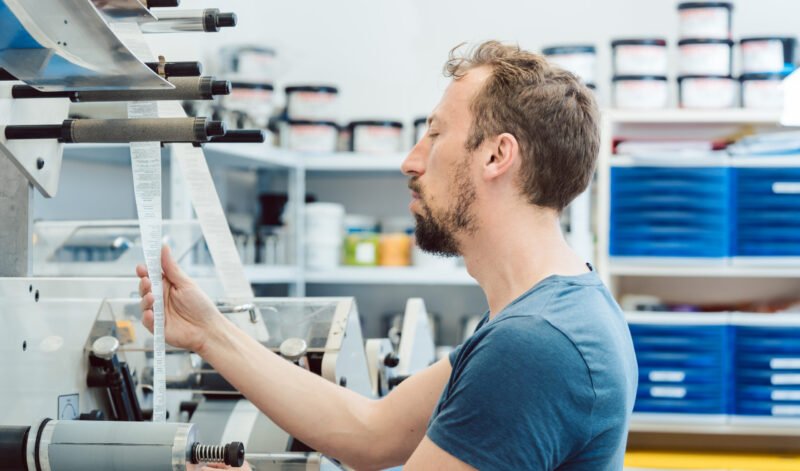
Food packaging methods
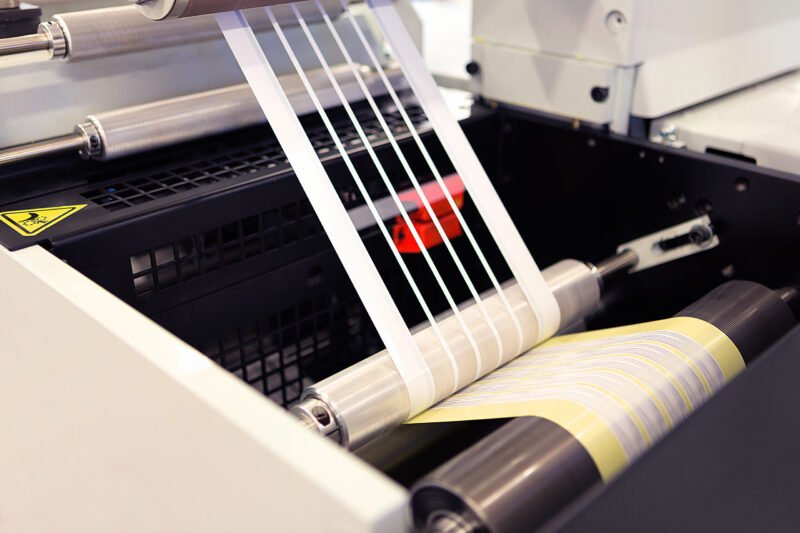
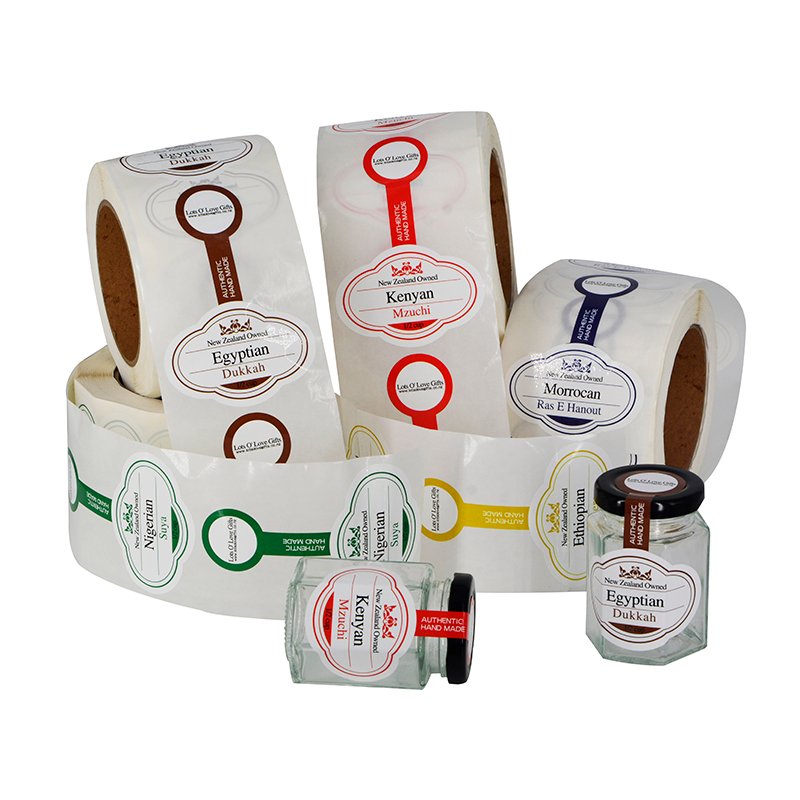
Liyantian’s printed labels for food provide two types of label packaging methods: sheet packaging and roll packaging, which can flexibly meet the needs of customers in different production environments. Whether it is small-scale manual operation or large-scale automated production, we can provide the most suitable solution
Sheet packaging
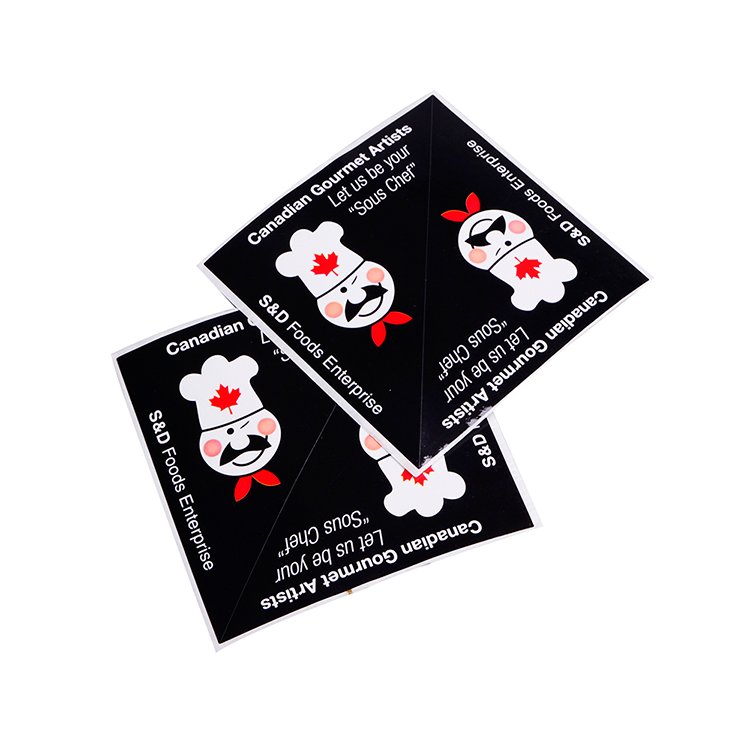
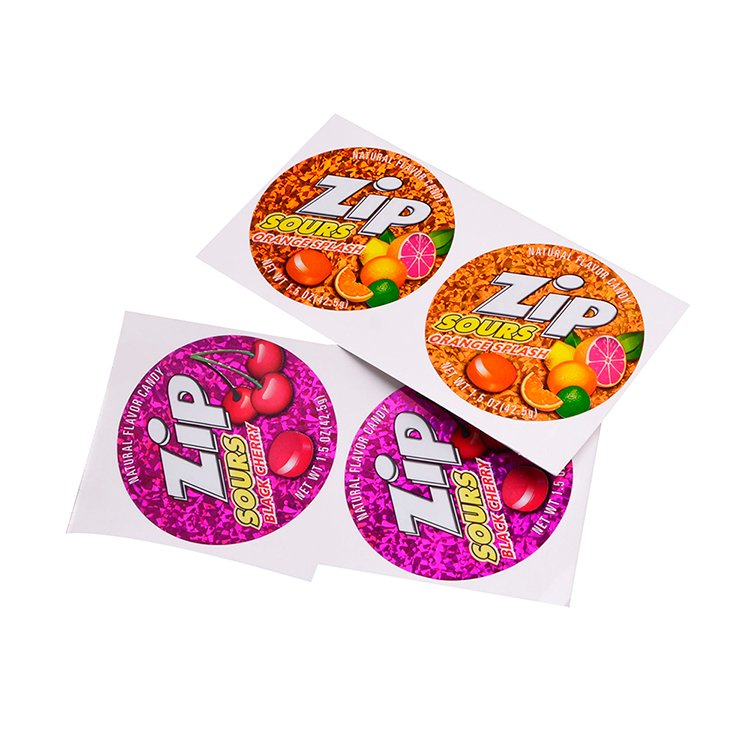
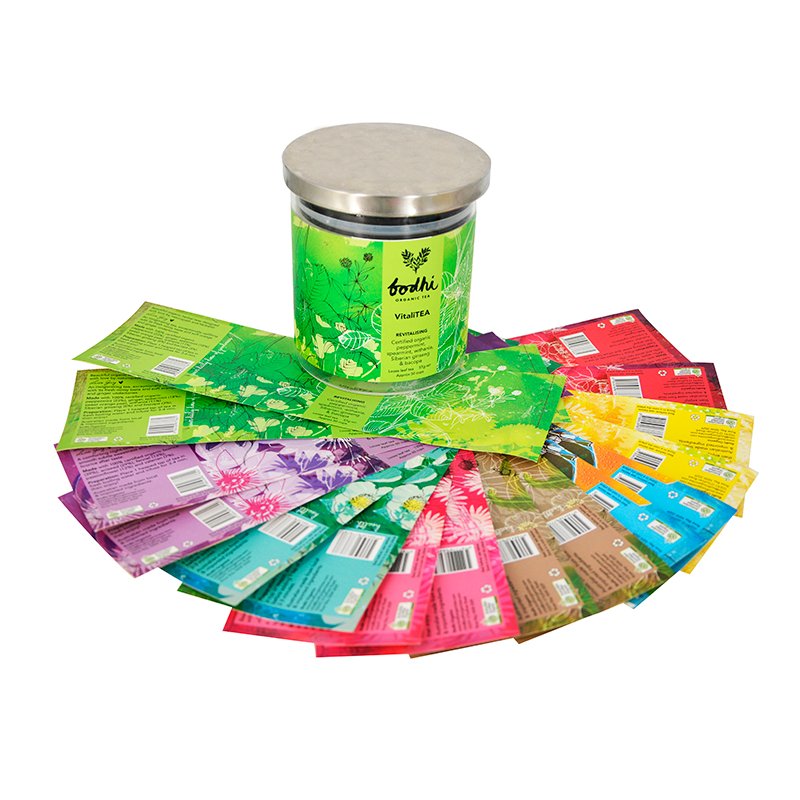
Sheet packaging is to cut each label into sheets separately, which is suitable for manual labeling or small batch production. This packaging method is convenient for users to take one by one, especially for those companies that need flexible operation during the production process. Sheet packaging food label sticker printing usually adopt a flat packaging form, which is convenient for storage and transportation, and is also easy to classify and manage.Such as : restaurant food label stickers
Roll packaging:
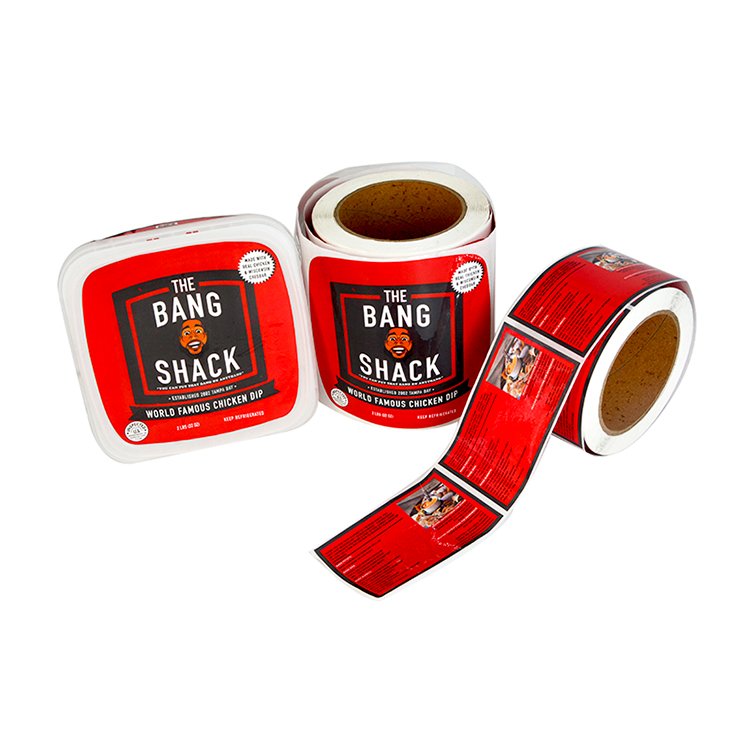
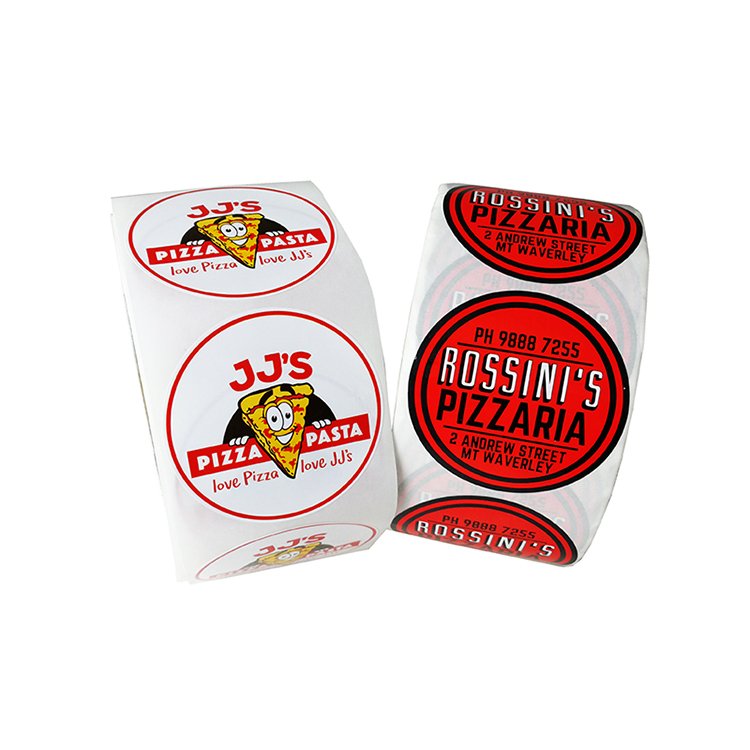
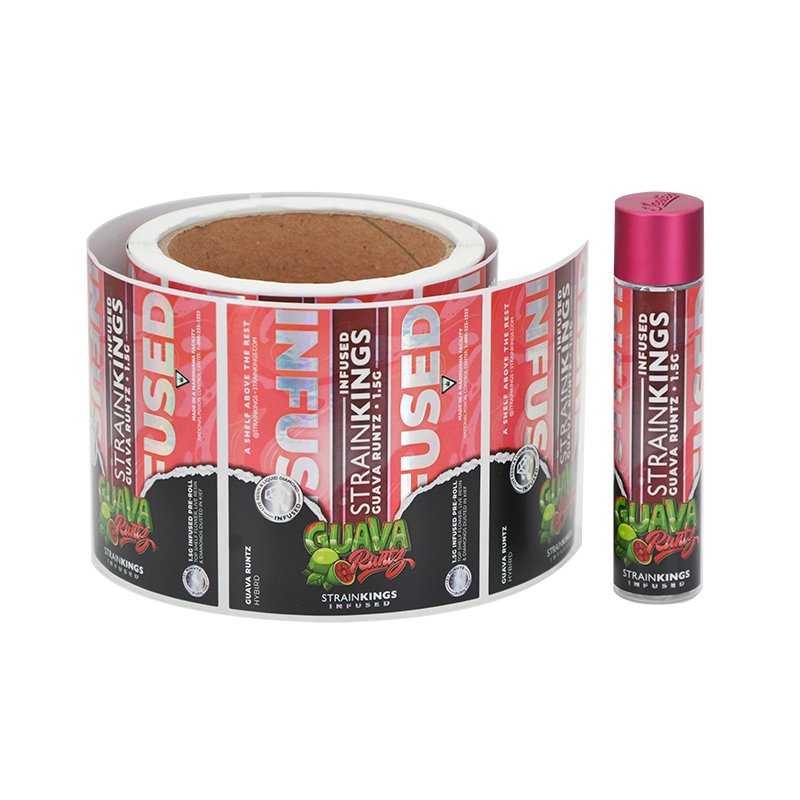
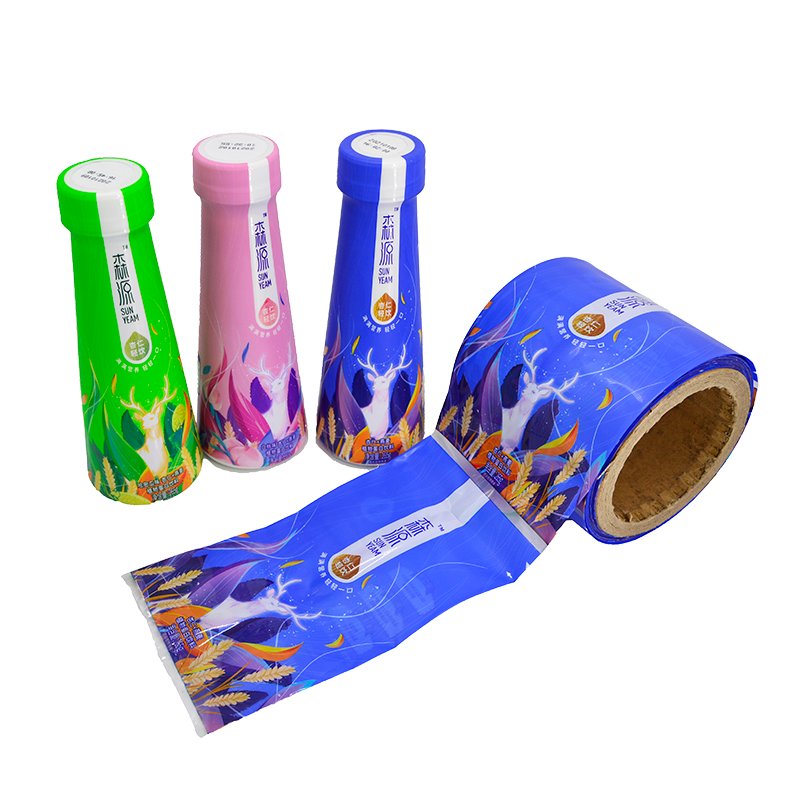
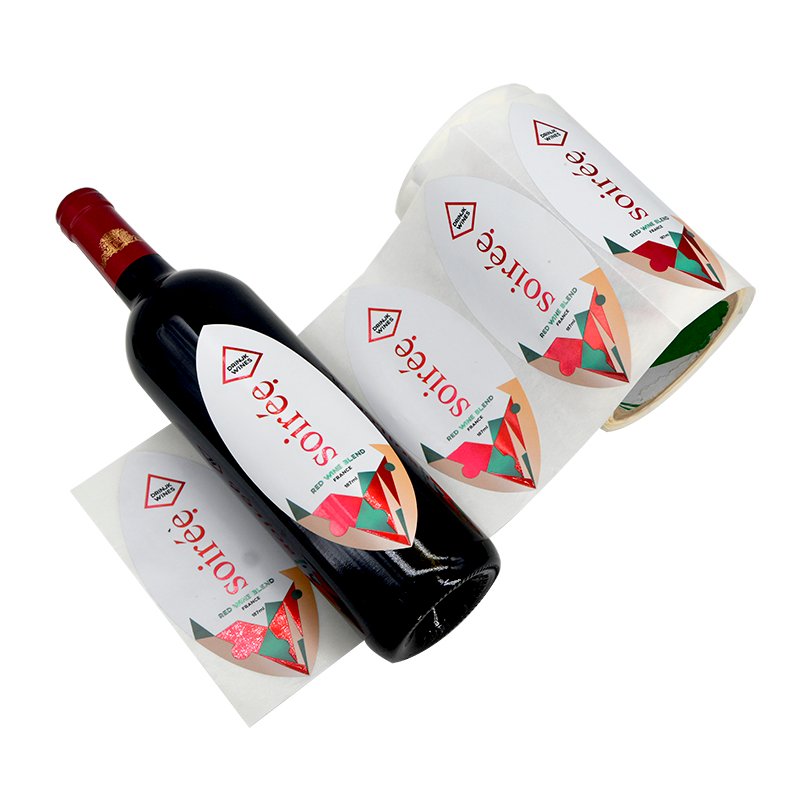
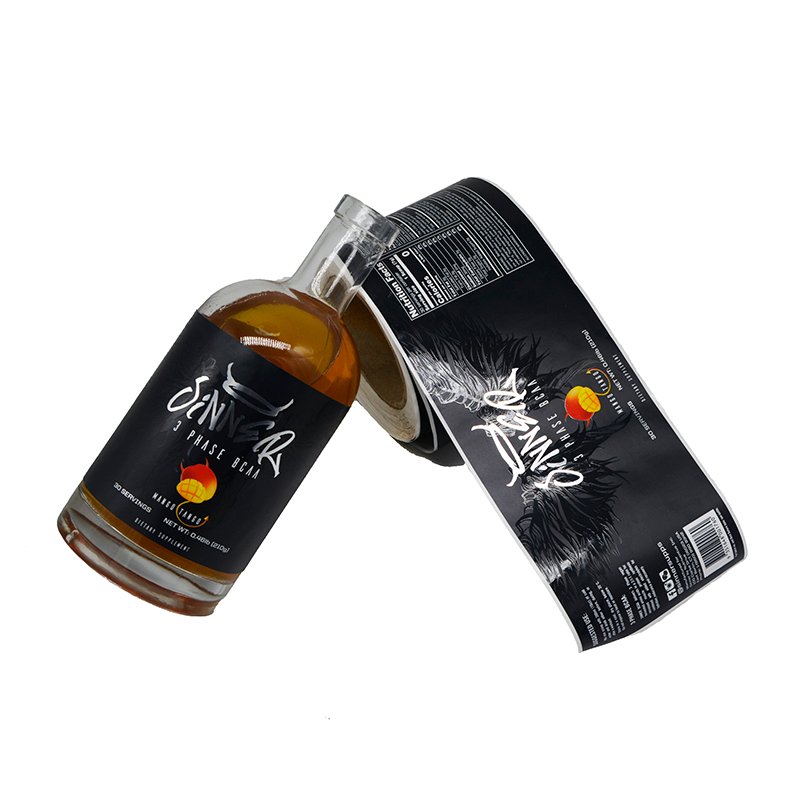
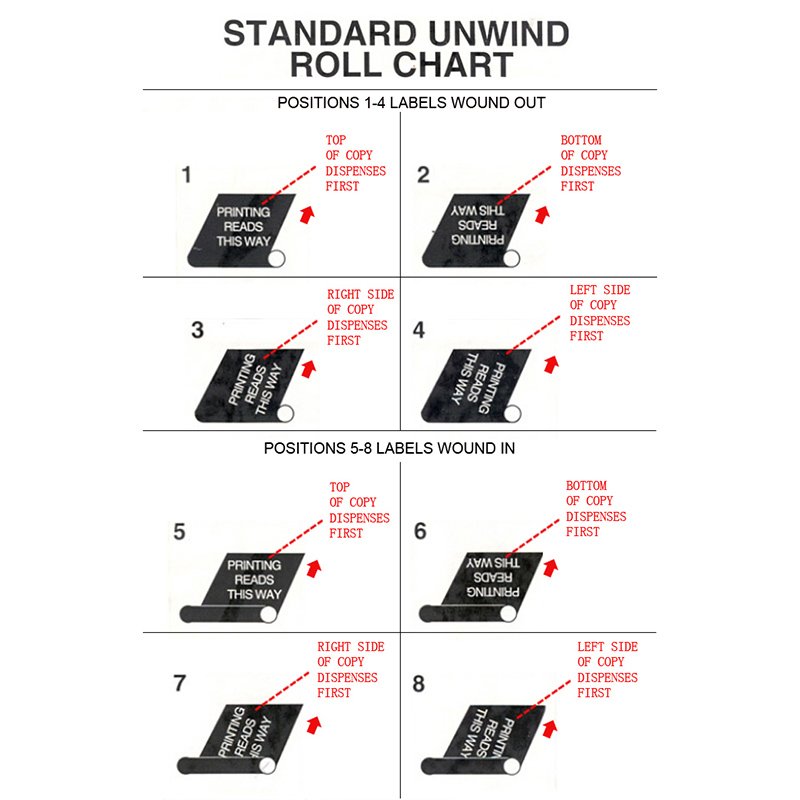
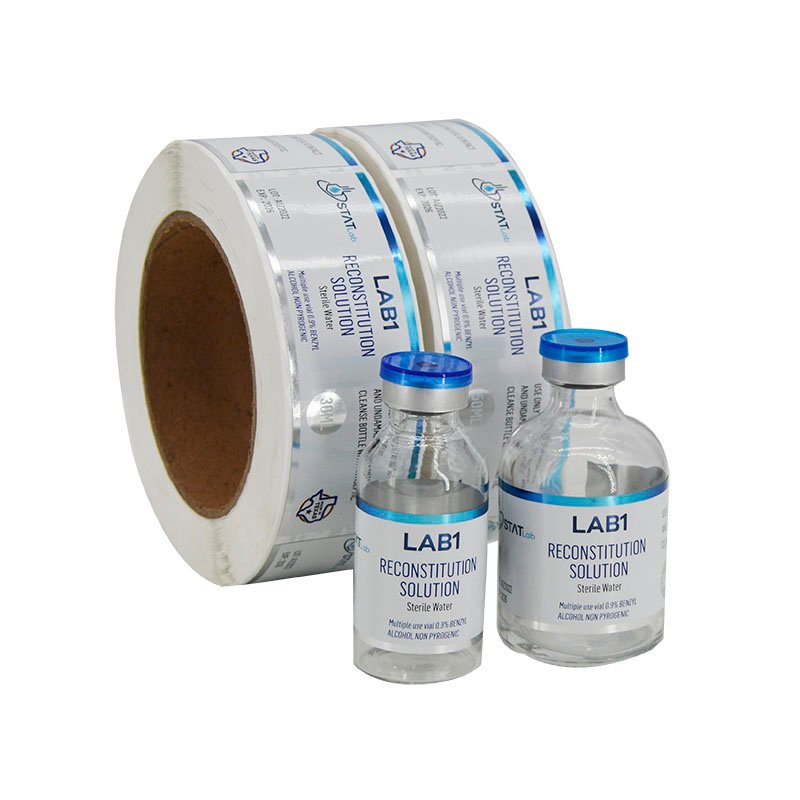
Roll packaging is to print a large number of labels continuously and roll them into a large roll, which is suitable for automated production lines or large-scale production. Roll packaging labels can be directly installed on automatic labeling machines, greatly improving production efficiency and reducing the time and cost of manual operation. We provide a variety of roll packaging specifications to meet the needs of different labeling equipment, including different roll core diameters, roll diameters, and label arrangement directions (such as left out, right out, top out, bottom out, etc.). In addition, the spacing and unwinding direction of the roll labels can also be customized according to the customer’s equipment requirements, ensuring smooth and efficient label application.
Some Thing Need to Know About Label Roll Packaging ?
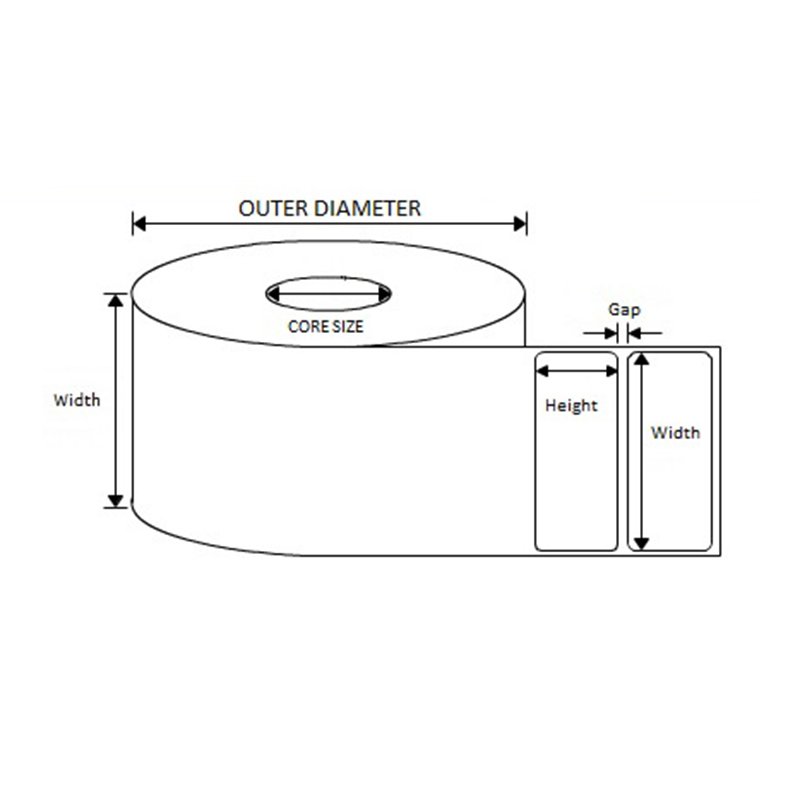
Core Size: The selection of core size should be based on the actual needs of the customer, involving both manual and machine labeling scenarios. For manual labeling, the core size is generally unrestricted, with 76MM being the standard size. For machine labeling, the specifications of the labeling machine must be considered, with common core diameters being 25MM, 40MM, and 76MM. Customers should choose the appropriate core size according to the model of their labeling machine.
Outer Diameter: The quantity per roll and the outer diameter of the sticker roll can also be customized according to customer needs. If there are no specific requirements, the recommended outer diameter range is 14 to 20CM; if the labeling machine has special outer diameter requirements, it should be customized according to those requirements.
GAP: The distance between two adjacent labels, with the standard setting being a 3MM gap between two labels. Please specify any special requirements when placing an order.
Surface Finish Options
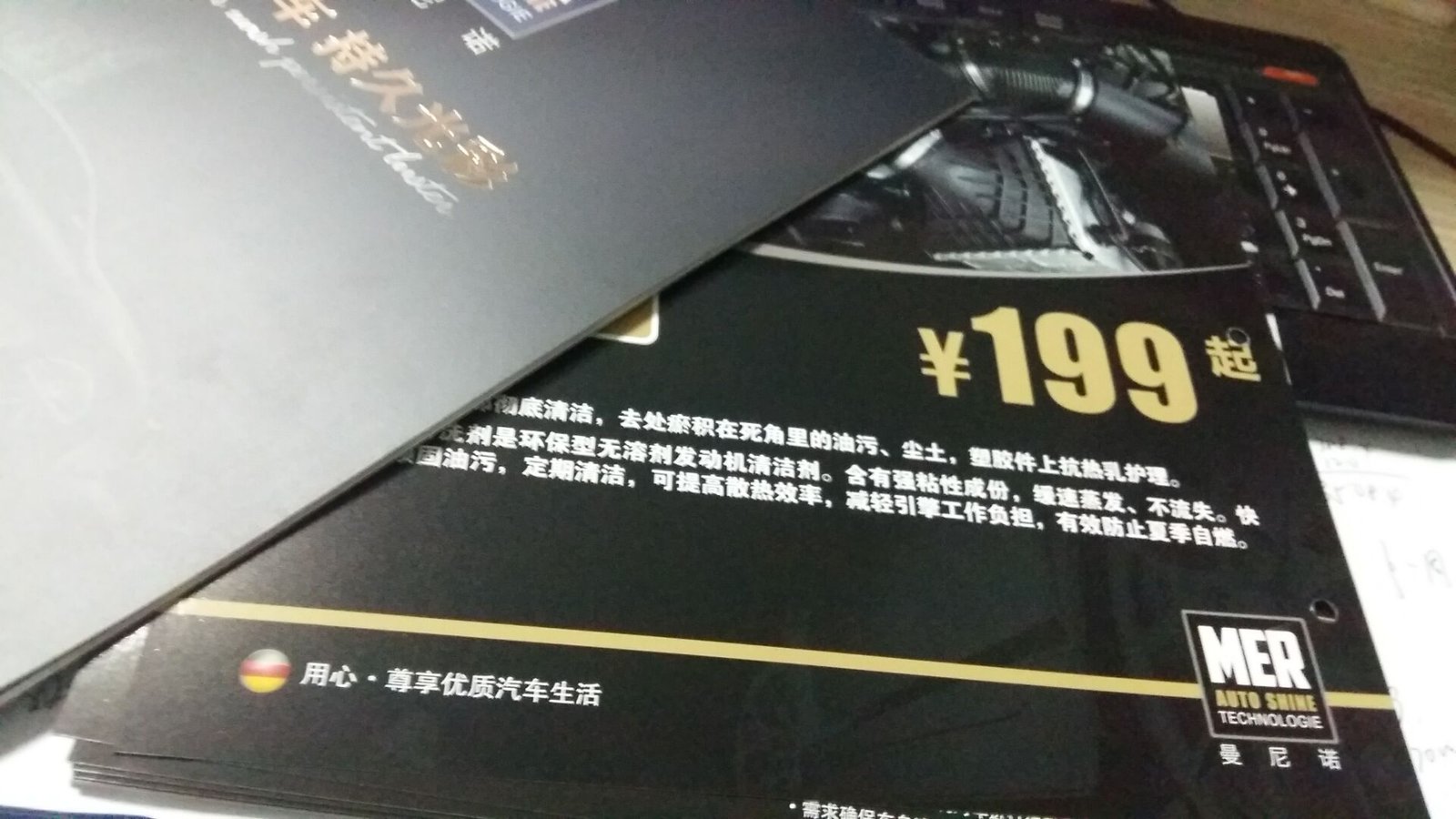
Glossy lamination involves applying a clear, plastic film over the label’s surface that gives it a high-gloss, shiny finish. This lamination enhances the vibrancy of the colors, making them appear richer and more saturated. The shiny surface also adds a sleek, polished look to the label, which can help catch the light and attract attention on store shelves. The gloss finish is also resistant to moisture and fingerprints, adding a protective layer that ensures the label remains pristine and eye-catching over time.
Matte lamination, on the other hand, provides a soft, non-reflective finish. It tones down the label’s colors slightly, giving them a more subtle, sophisticated appearance. The matte finish is perfect for products that aim for an understated elegance and a modern, minimalist look. It reduces glare under bright lights, making the text and design elements easier to read. Additionally, the matte surface has a tactile quality that feels smooth to the touch, enhancing the overall user experience.
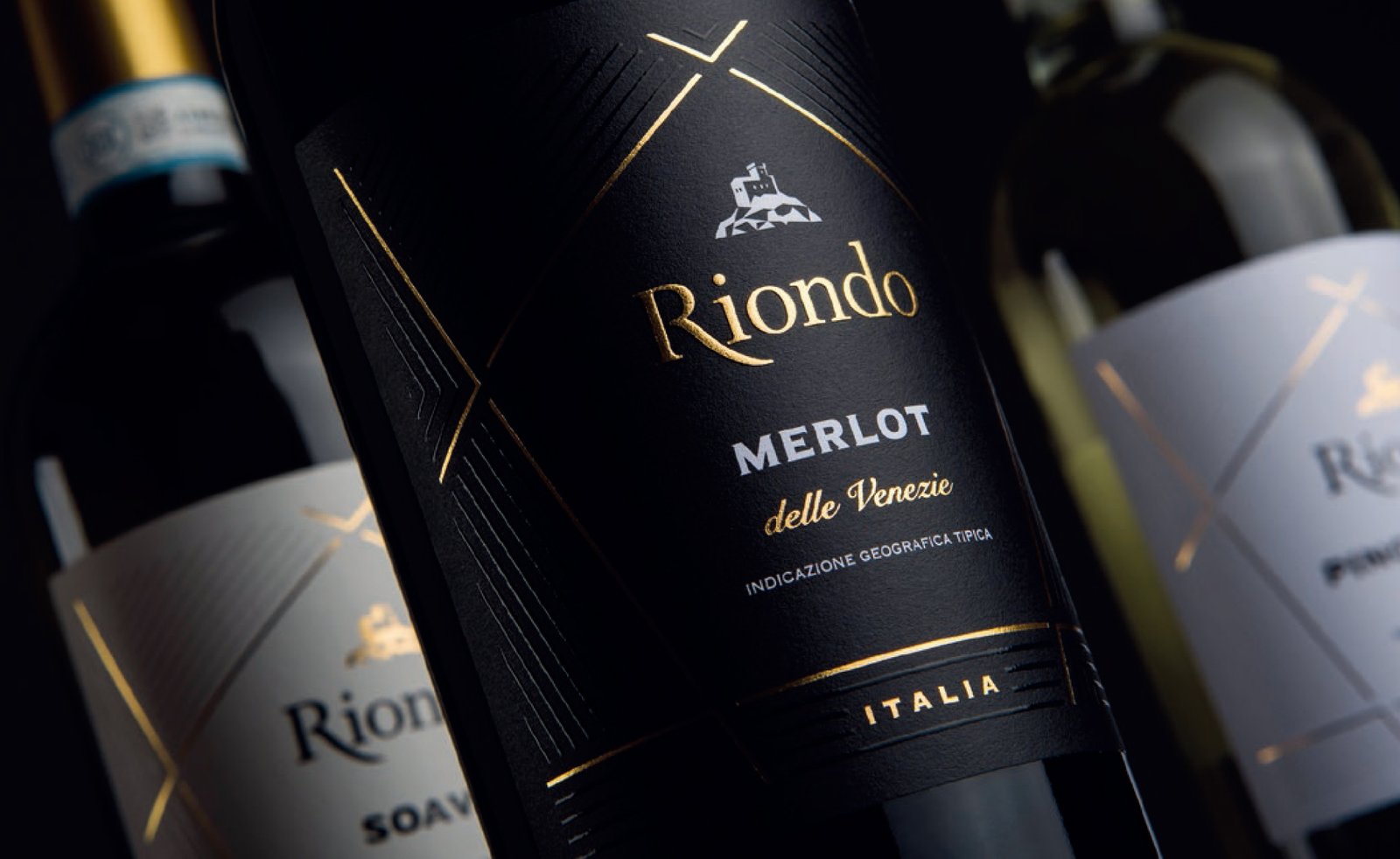
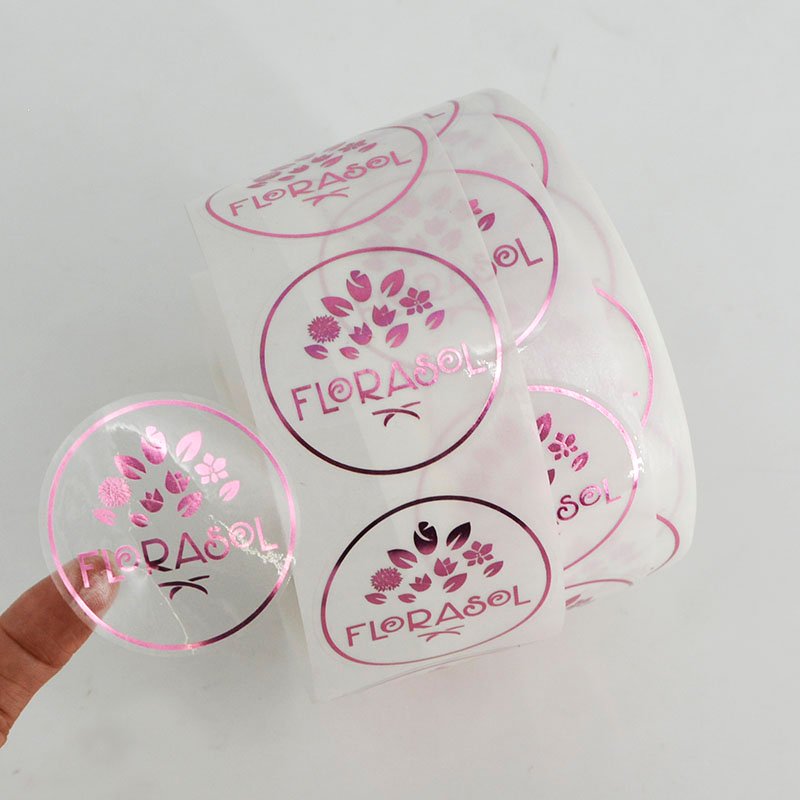
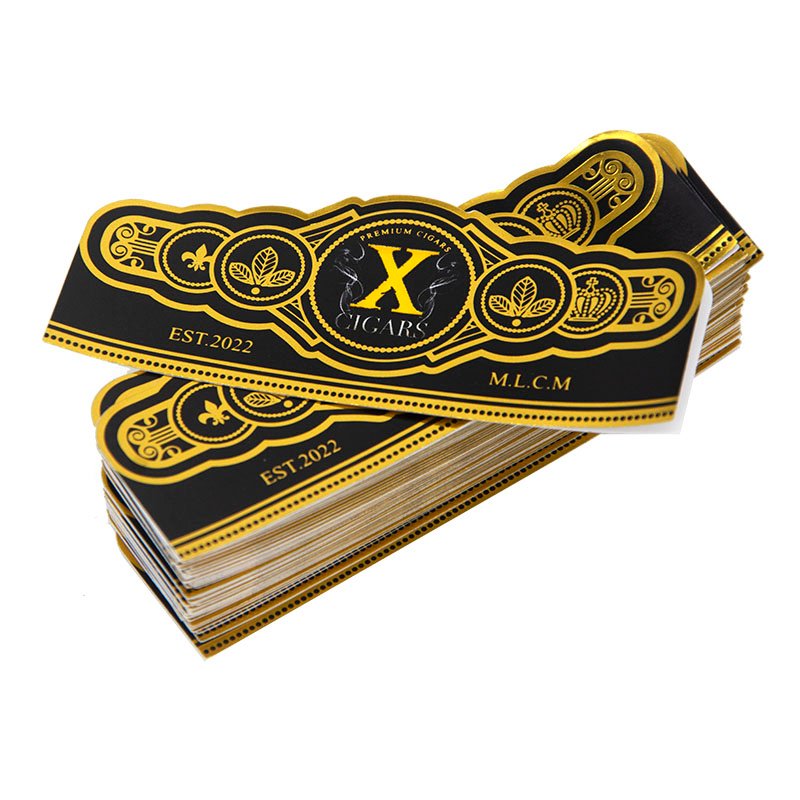
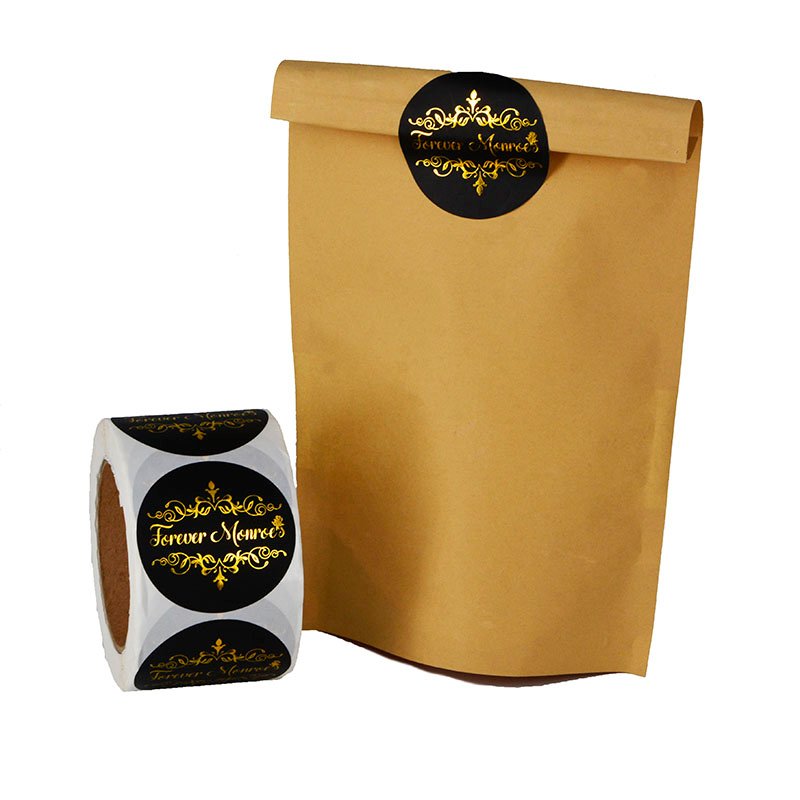
Foil stamping is a technique where metallic foil is applied to the label using heat and pressure, creating a shiny, reflective surface on selected areas of the design. Silver and gold are the most commonly used foils, but other colors are available as well. The foil adds a luxurious, premium feel to the label, making it stand out with a sophisticated shine that catches the eye. This technique is often used to highlight important elements of the design, such as logos, brand names, or decorative borders, giving the product an upscale and distinguished appearance. The reflective quality of the foil can also create a sense of depth and dimension, enhancing the overall visual impact of the label.
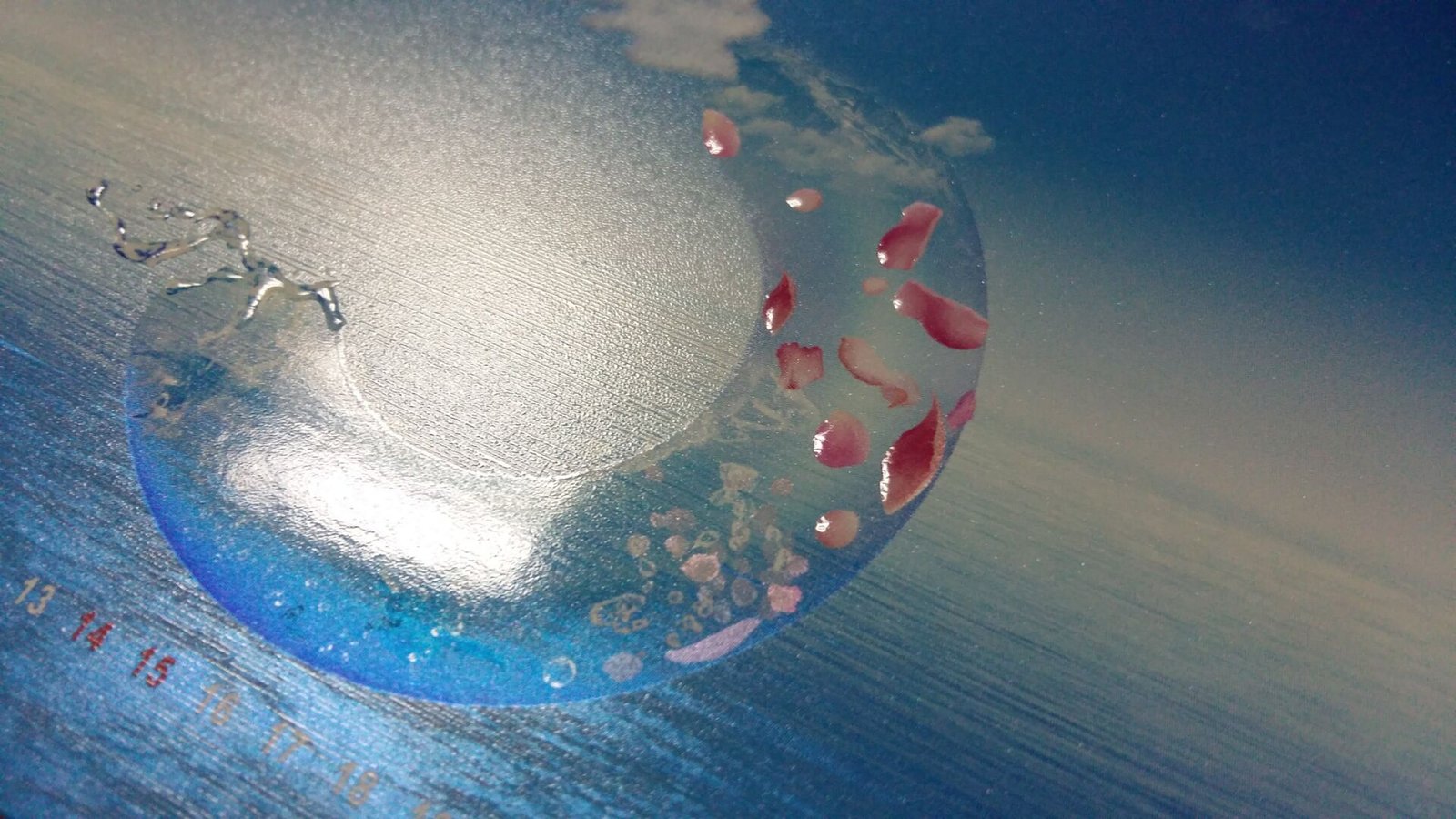
Spot UV is a method where a high-gloss coating is applied only to specific areas of the label, creating a striking contrast between the glossy and matte parts of the design. This technique is often used to draw attention to particular elements, such as logos, product names, or images, by making them stand out against the rest of the label. The raised, glossy finish not only adds a visual highlight but also a tactile element, making the label more interactive and engaging to the touch. The precise application of Spot UV allows for intricate and detailed design work, giving the label a sophisticated and professional look.
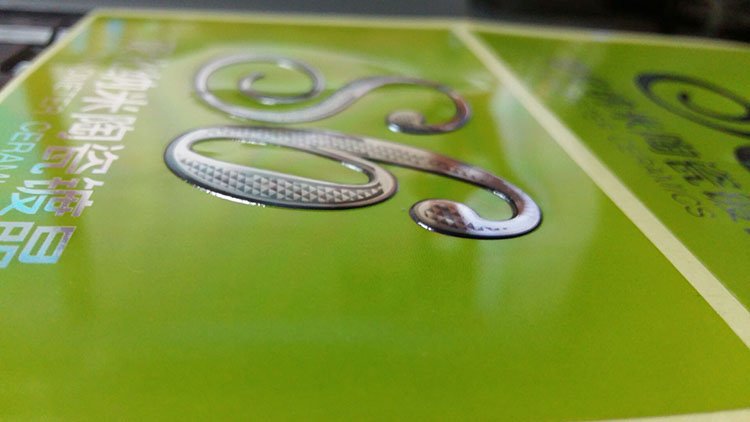
Embossing is a process where certain parts of the label are raised above the surface, creating a three-dimensional effect. This is achieved by pressing the label material between two metal plates, one with the design cut into it (the die) and one with a raised version of the design (the counter die). The result is a raised, textured surface that adds a sense of depth and luxury to the label. Embossing is often used on logos, brand names, or decorative elements to make them more prominent and tactile. The raised areas can also catch the light differently, adding subtle highlights and shadows that enhance the overall aesthetic of the label.
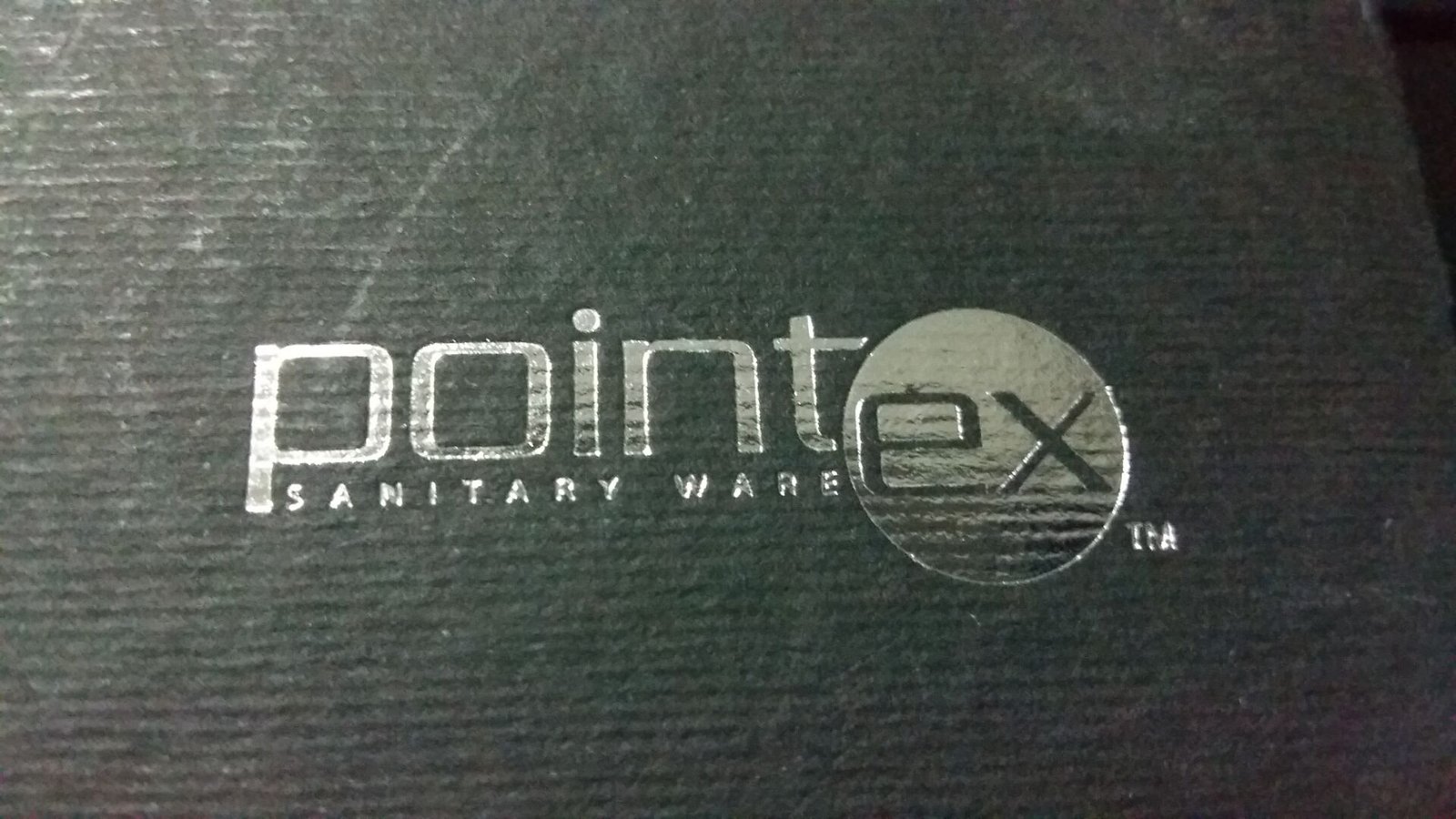
Textured surface treatments involve adding a unique pattern or texture to the label, which not only enhances its visual appeal but also its tactile experience. This can be done through various methods, such as embossing, debossing, or using textured films and coatings. Textures can range from subtle, such as linen or leather, to more pronounced, like wood grain or sandpaper. A textured surface can convey a sense of craftsmanship and quality, making the product feel more premium and artisanal. It also helps the label stand out in a crowded marketplace, as the unique feel and appearance can create a memorable impression on consumers.
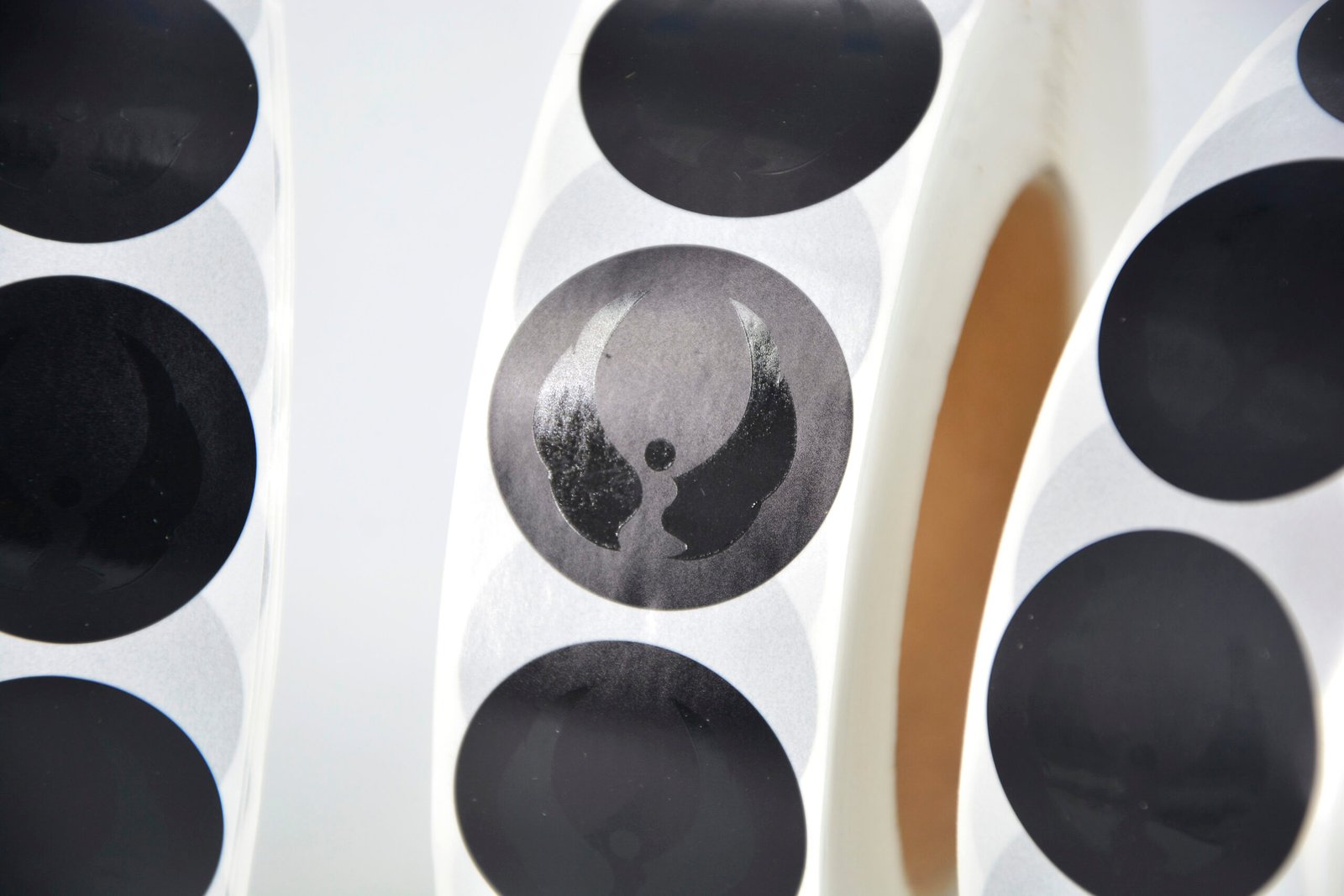
Varnishing is a process where a clear coating is applied to the label, either in a gloss or matte finish. Gloss varnish adds a shiny, reflective layer that enhances the vibrancy of the colors and provides additional protection against wear and tear. It gives the label a polished, high-end look that is especially appealing for luxury products. Matte varnish, on the other hand, offers a more subtle, non-reflective finish that adds a velvety smooth texture to the label. This type of varnish is ideal for products that want to convey a sophisticated, modern, or minimalist aesthetic. Both gloss and matte varnishes improve the durability of the label, making it resistant to scratches, scuffs, and moisture, ensuring the label maintains its quality throughout the product’s lifecycle.
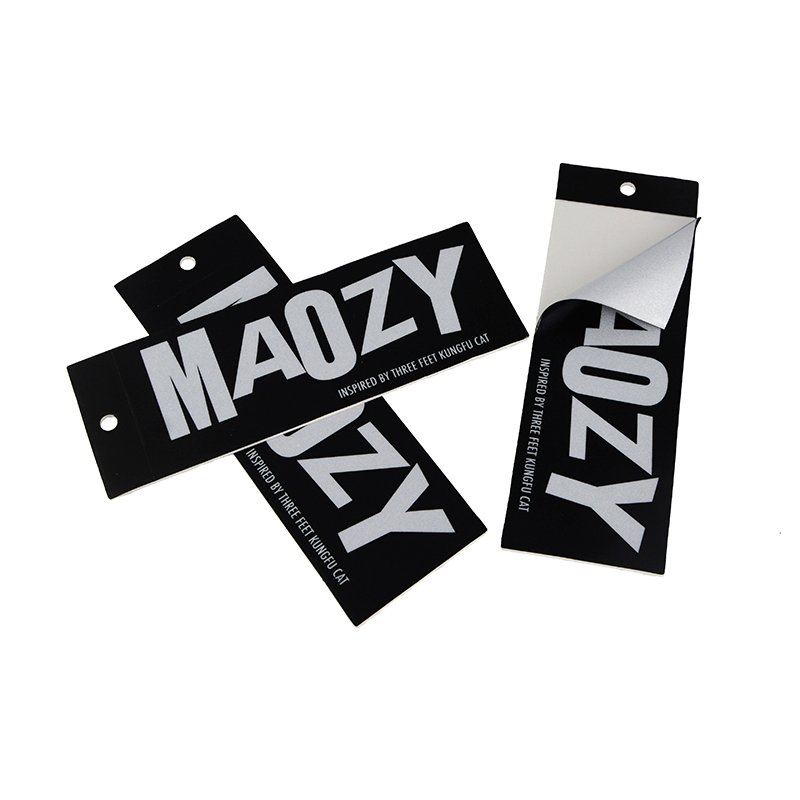
Die-cutting is a technique used to cut the label into a specific shape, creating intricate and unique designs that standard rectangular or square labels cannot achieve. A die, which is a custom-shaped blade, is used to cut through the label material with precision. Die-cutting allows for creativity in label shapes, from simple curves to complex, intricate patterns. This technique can make the label itself a distinctive design element, helping the product stand out on the shelf. For example, labels can be die-cut to follow the contours of the product or feature cut-out windows that reveal part of the product inside. Die-cut labels add an extra level of customization and visual interest, making them an excellent choice for brands looking to make a strong impression.
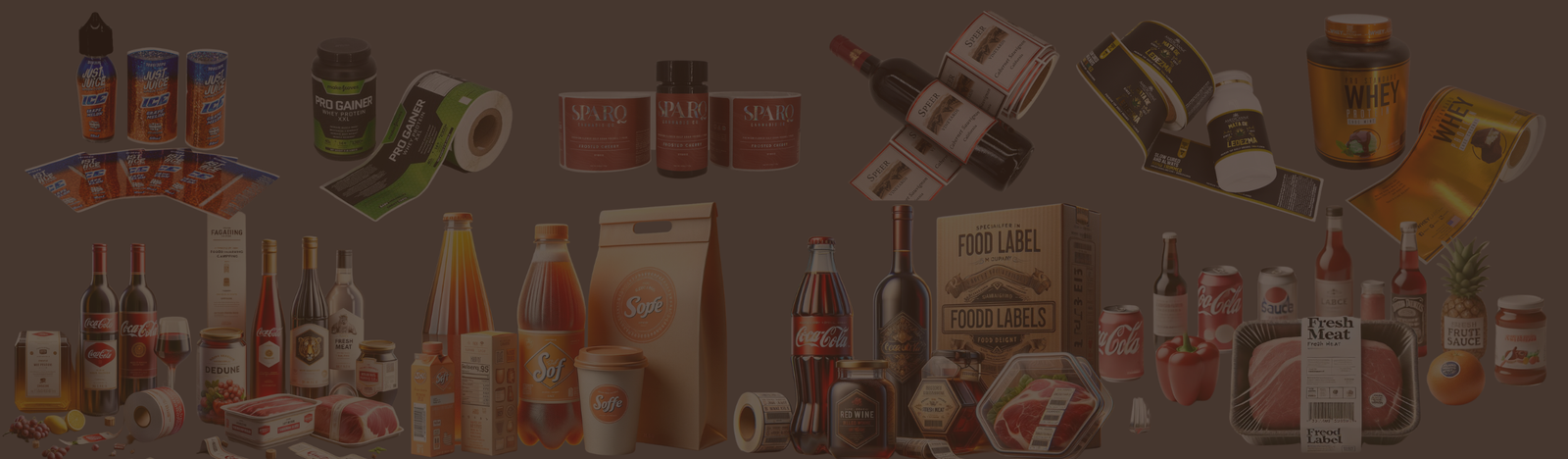
Different Material Composition Knowledge
- Material
- Adhesive
- Release Liner
At Liyantian, we are committed to environmental sustainability, carefully selecting eco-friendly materials and inks to ensure our products are environmentally responsible while maintaining high-quality printing results. Below are the common material options we use, each with its unique application scenarios and characteristics:
- Coated Paper: Coated paper has a smooth and even surface, making it ideal for high-quality color printing. Its excellent printability ensures vivid colors and sharp images, widely used for labels requiring detailed image display, such as food packaging and beverage labels.
- BOPP (Biaxially Oriented Polypropylene): BOPP materials offer outstanding water and oil resistance, effectively protecting against moisture and grease, making them particularly suitable for labels on condiments, oils, and beverages. Its transparency and mechanical strength also contribute to the durability and aesthetic appeal of the labels.
- PET (Polyester Film): PET is a highly durable material with excellent heat resistance and tear resistance, making it suitable for labels that require high strength and long-term preservation. PET materials are commonly used in bottled beverages, frozen foods, and other demanding packaging environments.
- Laser Material: Laser material has a unique optical effect, reflecting rainbow-like colors when exposed to light, adding luxury and a sense of technology to the labels. This material is typically used for high-end product labels, such as premium wines and cosmetic packaging.
- Synthetic PP: Synthetic PP is an eco-friendly material that is waterproof, oil-proof, and tear-resistant, making it especially suitable for packaging in frozen or humid environments. It not only withstands extreme conditions but also maintains the integrity and clarity of the labels, commonly used in frozen food, seafood, and similar products.
- Thermal Paper: Thermal paper is designed for variable data printing, such as barcodes, batch numbers, and production dates. Its surface reacts sensitively to heat, displaying information without the need for ink, widely used in logistics labels, receipt printing, and temporary labels.
- Special Textured Paper: This paper material features unique textures and tactile qualities, adding depth and visual appeal to the labels. Special textured paper is often used for handcrafted products, organic foods, and other high-end product packaging that requires a distinctive tactile experience.
- Kraft Paper: Kraft paper is a natural and eco-friendly material with good strength and breathability, commonly used for packaging organic foods, handicrafts, and other products that emphasize natural and environmental values. Its unique brown tone also adds a touch of nature and rustic style to the products.
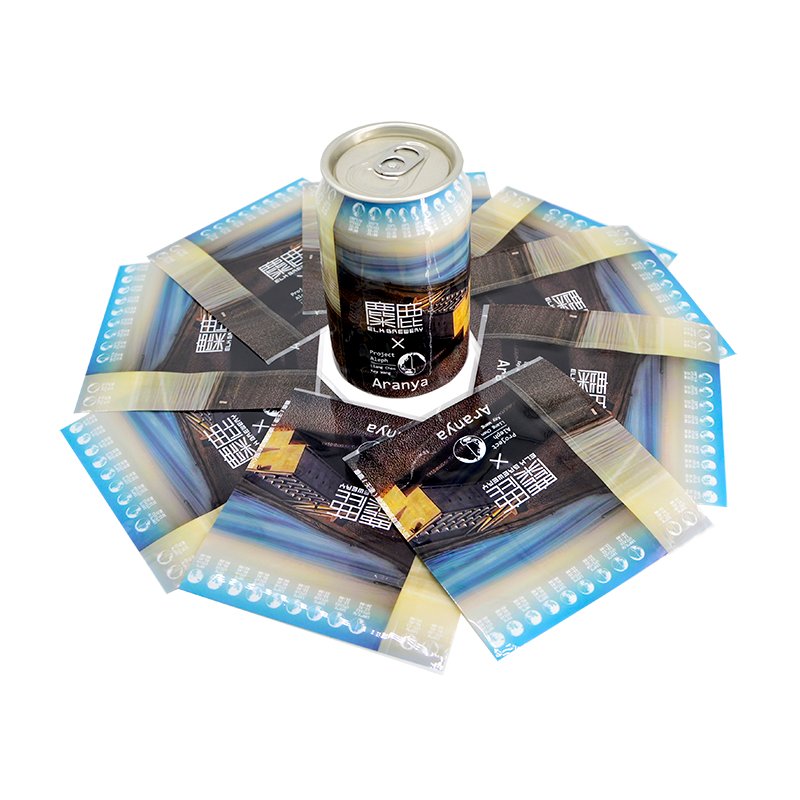
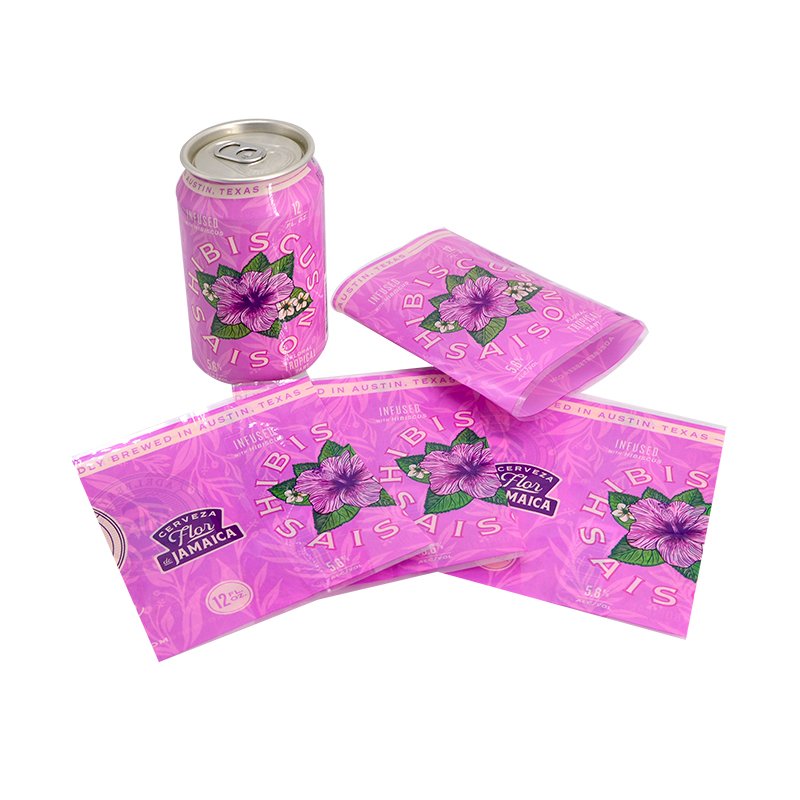
- Shrink Labels: Shrink labels are a type of material that can cover the entire surface of the packaging, especially suitable for complex-shaped curved packaging. When heated, the labels shrink to fit the surface of the packaging, providing comprehensive protection and an attractive appearance, widely used in bottled beverages, cosmetics, and household products.
- Wash-off Labels: Wash-off labels are easy to remove without leaving residue, making them particularly suitable for recyclable bottles. They easily peel off when soaked in water, ensuring the container can be reused, making them an ideal choice for eco-friendly packaging.
Through these carefully selected materials, Liyantian provides customers with food packaging label printing solutions, meeting the packaging needs of different products in various environments, while also helping brands achieve their sustainability goals.
To ensure that printable food label stickers adhere securely in various environments and meet different product packaging needs, Liyantian offers a range of adhesive options carefully tailored to our clients’ requirements. Below are some of the adhesives we commonly use and their application scenarios:
- Freezer Adhesive:
Freezer adhesive is specifically designed for low-temperature environments, making it ideal for labels on frozen foods. Even at extremely low temperatures (typically ranging from -40°C to 5°C), this adhesive maintains excellent adhesion, ensuring that labels do not peel off or shift during freezing and thawing processes. This adhesive is particularly suitable for products like ice cream, frozen meats, and other frozen goods. - General Permanent Adhesive:
General permanent adhesive is suitable for environments with temperatures ranging from 5°C to 60°C, providing stable adhesion within this range. This adhesive is ideal for labels on products stored at room temperature, such as food and beverages, ensuring that the labels remain securely attached and do not peel off or shift during regular use.
By offering these diverse adhesive options, Liyantian ensures that your printing food labels maintain strong adhesion and durability in any environment, providing reliable protection for your product packaging. Whether in normal temperatures, low temperatures, or other specific environments, we can help you find the most suitable adhesive solution, ensuring your products remain in optimal condition.
Based on the specific application scenarios for custom printed food labels, Liyantian offers various release liner options to ensure that the labels can be used smoothly during production and application, achieving optimal results. Below are two common release liner choices and their respective application scenarios:
- Roll Labels:
Roll labels typically use glassine liners. The transparency of this liner facilitates smooth operation in automated production lines, making it easy to peel off and apply labels. Glassine liners are known for their strength and flexibility, ensuring stability during high-speed labeling processes. This makes them ideal for high-volume, efficient production environments where labels need to run smoothly through labeling machines. - Sheet Labels:
Sheet labels usually come with yellow or white release liners, suitable for manual labeling or small-scale production applications. These liners are easy to manage and handle, allowing for single-sheet use, making them ideal for scenarios that require flexible operation and personalized handling. The smooth surface of the yellow or white liners ensures that labels remain in good condition during storage and transport, and they are easy to peel off and apply manually, reducing the risk of errors.
By selecting the appropriate release liner based on the application scenario, Liyantian provides customers with top-quality food labels to print solutions, ensuring that labels perform at their best under different production conditions.
Yes, we are food label manufacturers with 23 years experience.
List ingredients in descending order by weight, using common names. Include allergen information within the ingredient list or in a separate “Contains” statement. For compound ingredients, list their components in parentheses next to them. Ensure the label is clear, legible, and compliant with local regulations.
You can use CANVA or another design app to create your food label design, or you can hire a designer to assist you.
Yes, the more you order, the lower the price per unit.
Yes, you can. We are food label printing companies, Just provide us with your artwork, and we’ll take care of the rest, including selecting the right materials and processes for you.
For custom food label printing, we need a vector file or a high-resolution image (300 DPI).
Our food and beverage label printing typically takes 7-12 days. For large orders, the time frame may vary depending on the quantity.
Related Product
FAQ
Liyantian is a professional label printing service provider based in China. Below are some frequently asked questions (FAQs) for your reference. For further inquiries, please feel free to contact our customer service team.
We accept a variety of file formats to accommodate your printing needs:
- AI(Adobe Illustrator)
- CDR (CorelDRAW)
- PSD (Adobe Photoshop)
- JPG or PNG(High-resolution, at least 300 dpi)
While our designers do not create designs from scratch, they are here to assist in the following ways:
- Crafting the outline of your artwork.
- Adding bleed to your artwork for print perfection.
- Small change for you artwork.
We are proud to be a 100% manufacturer, owning and operating our own printing factory. This ensures direct control over the quality and production of your printing needs.
The completion time for orders typically ranges between 5 to 12 working days. This time frame ensures that we maintain our standard of quality while meeting your deadlines.
A 30% deposit is required before production, with the balance paid after final approval of the product images and samples sent to the client.